
The surprising answer to the search for the best digital products to sell isn't “build the biggest course” or “launch an app.” The strongest opportunity often starts with the asset you already control. Your advantage might be expertise, reusable files, a media library, software skills, or access to your own time.
Online education illustrates the opportunity. The global e-learning market is projected to reach approximately $275.86 billion in 2026 and $461.92 billion by 2031, with a projected 10.86% compound annual growth rate across that period, according to Mordor Intelligence's e-learning market analysis. That growth doesn't mean every creator should produce a course. It means buyers already understand digital delivery, and you can choose a format that matches your audience and operating capacity.
This ranking compares ten models by buyer value, creator effort, scalability, repeat-revenue potential, support demands, and fit with taap.bio. The practical advantage of taap.bio is that discovery, product presentation, checkout, instant delivery, bookings, email capture, and analytics can live on one page instead of being scattered across several tools.
Table of contents
1. Online Courses and Educational Content
Courses rank first when your expertise creates a clear, valuable transformation. Buyers pay to solve a defined problem, build a skill, pass an assessment, or reach a result without designing the process themselves. That combination gives courses high buyer value, strong scalability, and good margins after production, but it also brings heavy preparation and ongoing support demands.
Start with a short, outcome-focused course. A photographer might teach a complete portrait-editing workflow. A freelancer could package a client onboarding system. A musician could sell a release-planning program with lessons, worksheets, and production examples. Recorded lessons scale better than live teaching, while cohort sessions and personalized reviews support higher-value bookings and create additional revenue.
Self-paced learning suits downloadable workbooks, tutorials, and focused sales pages, as discussed in the same e-learning market research. Buyers can move from a social post to a lesson preview, checkout, and delivery without switching between several platforms. That delivery path also fits taap.bio's storefront, checkout, digital delivery, bookings, and email-capture features.
Make the transformation visible
Use taap.bio to place a video preview beside the offer, display the workbook, define the intended buyer, and connect the purchase to a follow-up email sequence. A focused page for a course on “editing natural skin tones” communicates more clearly than a general “learn photography” storefront.
- Validate the narrow promise: Sell one result before expanding into a broader program.
- Package support deliberately: Include office hours or paid reviews instead of promising unlimited access.
- Build an upgrade path: Move graduates toward workshops, coaching, or a membership.
- Explain access clearly: State whether buyers receive downloads, streaming lessons, updates, or live sessions.
Courses work best for creators who can teach a repeatable process and tolerate substantial upfront production. They also create natural follow-on offers, although frequent updates and personalized feedback turn a supposedly passive product into an active service.
For platform comparisons and delivery considerations, read this guide to choose the best platforms for selling online courses. It can help you compare delivery requirements before committing to a full curriculum.
2. Templates and Design Assets
Templates are among the best digital products to sell when your audience wants to work faster, look more professional, or avoid starting from a blank page. The product might be a Canva social pack, a spreadsheet system, a presentation kit, an email sequence, or a set of reusable design components.
The buyer value comes from saved time plus reduced decision fatigue. A real-estate agent doesn't just want attractive slides. They want a listing presentation that helps them prepare for the next client meeting. A consultant doesn't need another generic proposal template. They need a version with a clear intake process, scope language, and deliverable structure.
Templates are easier to produce than courses, but competition is intense. A generic social media pack becomes interchangeable quickly. A vertical product, such as a client-follow-up system for independent brokers or a content calendar for fitness coaches, gives the buyer a reason to choose your product.
Sell a workflow, not a pile of files
Bundle related assets around a job. Include instructions, an example filled with realistic content, and a license that explains personal, commercial, team, or resale use. Updating a strong template can generate repeat purchases, especially when a tool changes or your audience needs new formats.
Show the product inside a taap.bio product block with clear previews and mockups. A visitor should understand what they'll receive before checkout. You can also use a higher-value bundle or implementation booking for buyers who want help adapting the files.
Read this practical guide to selling templates on Etsy, then consider how your own page can capture buyers who discover you through social content. If you want to explain the broader structure behind reusable files, this overview of components of a digital asset library offers a useful planning reference.
3. eBooks and Lead Magnets
eBooks rank highly for low production effort and fast delivery, but they rarely win on repeat revenue. Choose this model when you can explain one narrow problem clearly and want a product that avoids filming lessons or building software. Buyers receive the file instantly, while you avoid ongoing fulfillment work. That makes an eBook a strong entry product, whether you sell it directly or use a shorter guide to collect email addresses.
The market is already familiar with digital reading. The global e-book market generated an estimated $14.9 billion in 2025 and is projected to approach $16 billion by 2030. The number of e-book readers is expected to exceed 1.1 billion, according to the digital product statistics overview from Whop. Your advantage comes from specificity. A defined reader and a usable outcome matter more than a high page count.
Build the book around action. Add checklists, worksheets, scripts, examples, or decision trees. A musician could sell a release-planning guide, a coach could create a transformation workbook, and a freelancer could explain when to use each proposal template. These additions raise buyer value without turning the project into a full course.
Pair a free entry point with a paid system
Use a lead magnet to collect email addresses, then offer a deeper guide or toolkit to readers who need the complete process. Taap.bio's email widget captures subscribers, while its storefront, checkout, and digital delivery handle the paid transaction. This setup gives the product a natural path from discovery to purchase, without depending entirely on social reach.
Choose one reader: Write for independent designers, new managers, local agents, or another defined group.
Promise a practical result: “Plan your first release” is stronger than “Everything about music marketing.”
Repurpose carefully: Turn sections into social posts and emails, while keeping the paid guide more useful than the excerpts.
Update with purpose: Revise the material when tools, regulations, or workflows materially change.
Use these lead magnet ideas for creators to connect free education with a paid product ladder. An eBook can lead into courses, consulting, memberships, or paid bookings, but recurring revenue requires those follow-on offers and the support they demand.
4. Presets and Filters for Photography, Video, and Audio
Presets rank among the strongest digital products for creators with a recognizable visual or audio style. They combine low delivery effort, strong scalability, and clear audience fit, but their margins depend on making the result specific. “Warm editorial color for indoor portraits” sells a defined outcome. “50 beautiful filters” sells a file count.
This model suits photographers, videographers, podcasters, musicians, and editors who repeat the same editing work. Buyers pay for consistency and speed. A focused pack can help a photographer finish a client gallery, a creator edit short-form video, or a podcaster clean up recordings without rebuilding the workflow each time.
Your sales page must prove that the files work. Show before-and-after examples, add a short application tutorial, and list compatible software versions, file types, installation steps, and update terms. Clear limits reduce support requests. State whether results vary by camera, room, lighting, recording quality, or editing application.
Demonstrate the result before asking for the sale
Give prospects a free sample preset or filter, then offer a paid bundle built around one problem. Examples include a “fluorescent lighting correction” pack, a “podcast voice cleanup” workflow, or settings for a specific camera and editing application. A themed bundle creates a stronger reason to buy than a large, unfocused collection.
Embed the demonstration video or tutorial on taap.bio and place the product block beside the proof. Keep checkout concise on smaller screens, where one payment benchmark reports average conversion of 2.1% on mobile compared with 3.8% on desktop, according to Searchlab's online payments statistics. Use taap.bio's storefront, checkout, digital delivery, and email capture to turn a sample download into a repeat-purchase path.
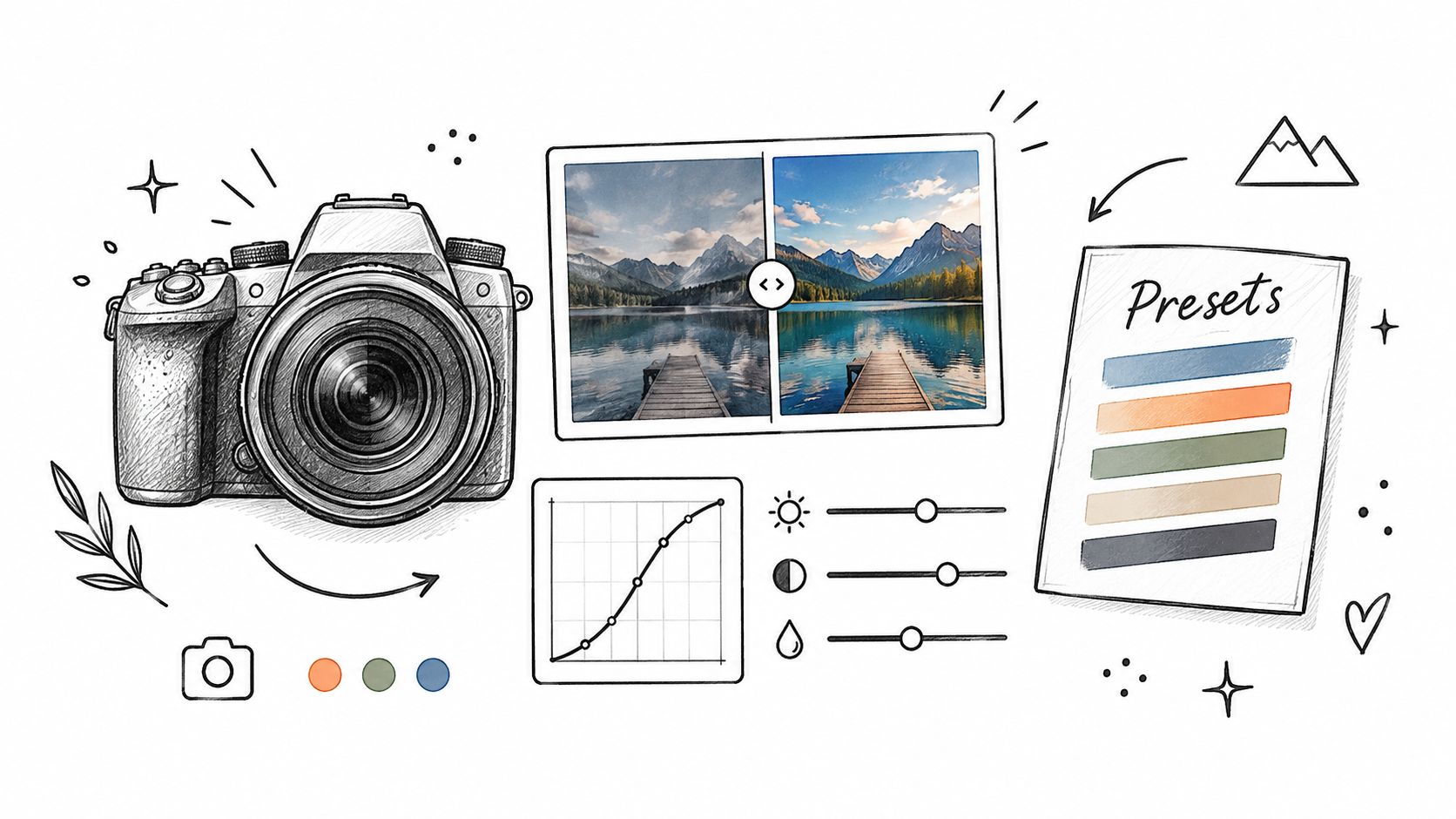
For a focused launch plan, learn how to sell presets online. Presets deliver quickly and scale well, but support rises when buyers expect one-click perfection. Show what the product handles, and what it cannot handle, before checkout.
5. Software Tools and Micro-SaaS
At number five, software tools and micro-SaaS offer strong repeat-revenue potential, but they demand more ongoing work than downloadable products. Every release can create obligations to maintain compatibility, fix defects, protect data, and answer support questions. Rank this model highly for scalability and recurring income, but choose it only if you can support the product after launch.
The best opportunities solve one narrow operational problem for one identifiable audience. A caption generator for a specific publishing workflow, a calculator for a specialized business decision, a browser extension that removes repetitive work, or a reporting tool for a small agency niche gives buyers a clear reason to subscribe. Broad tools face established competitors. A focused tool can win by handling a neglected workflow better.
Start with the buyer's measurable job
Define the completed task before writing code. “Uses artificial intelligence” describes a feature, not an outcome. “Turns a client brief into a structured first draft for a property listing” gives the buyer a result they can evaluate.
Creator-focused software has a large commercial audience. The creator economy was valued at approximately $252.3 billion in 2025 and is projected to reach about $1.35 trillion by 2033, with a forecast 23.3% CAGR, according to Grand View Research's creator economy analysis. Individual content creators accounted for 57.2% of end-use revenue in that analysis, supporting tools built around repeatable creator workflows.
Use taap.bio as the public landing page for demonstrations, email capture, checkout, digital delivery, and optional paid onboarding. If the product needs setup help, add a booking block beside the software offer so buyers can pay without leaving the page. For a broader comparison of storefronts and delivery options, read this guide to the best platforms for selling digital products.
Before launch, verify four points:
- Release narrowly: Solve one painful task before building a feature-heavy dashboard.
- Offer a simple trial: Let early users test the result and identify workflow failures.
- Measure the job: Track time saved, errors avoided, or work completed instead of signups alone.
- Explain maintenance: Tell buyers what happens when an integration or model changes.
You can also explore the LunaBloom app as an example of a focused digital experience with a simple public entry point. Software can generate the strongest repeat revenue in this list, but it carries the highest technical and support burden.
6. Coaching and Consulting Packages
Coaching is the fastest way to monetize expertise because buyers pay for judgment, context, accountability, and customization. It doesn't scale like a file, but it often produces the clearest learning about what customers need.
A strong package starts with a defined client and problem. A copywriter might offer a landing-page review. A real-estate consultant could provide a lead follow-up audit. A music producer might sell a track feedback session. These offers are easier to buy than an open-ended promise to “help with your business.”
Use taap.bio's booking widget to show availability, collect payment upfront, and send calendar invitations automatically. Put the booking offer beside proof of your process, a short explanation of the session, and the deliverable the buyer receives afterward. Don't make prospects email you to discover whether the service is available.
Turn service insight into products
Offer a single session, a short package, and a deeper engagement. The single session reduces friction. The package creates a clearer transformation. The longer engagement is appropriate when the buyer needs implementation, review, or accountability.
A paid booking can also improve every other product on this list. Listen for repeated questions, record patterns with permission, and turn those patterns into a workbook, workshop, course, or software brief. That sequence prevents you from building a product around assumptions.
Practical rule: Use coaching to discover the expensive problem before you invest in a large digital product.
The limitation is capacity. Your calendar is the inventory, so define response times, cancellation terms, preparation requirements, and what the buyer will not receive. Coaching can generate high buyer value, but it becomes less attractive when every sale creates a custom support obligation.
7. Membership Communities and Exclusive Access
Membership communities can rank highly for repeat revenue, but only when members receive a reason to return. The strongest offers combine ongoing access with a defined outcome, such as a resource library, regular calls, peer discussion, feedback, or new material tied to a continuing professional problem.
A vague promise of “exclusive access” will not support retention. Set one durable membership promise and publish around it. A video creator could provide monthly production resources and office hours. A consultant might offer updated operational templates and peer review. A coach could combine group accountability with a structured resource archive.
Define the rhythm before you open enrollment. Tell members when new resources, calls, or reviews appear. Then make the archive easy to search, so older material remains useful to new members. These details affect buyer value more than piling on more content.
Use taap.bio to collect interest before launch, present the offer through your storefront, process checkout, deliver member resources, and capture email addresses. Scheduled group calls and paid bookings can support the membership, while an exportable contact list gives you a direct channel for announcing new resources and renewals. Keep personalized feedback or small-group sessions for a higher access level when the extra service justifies the price.
Watch support load. Moderation, repeated questions, and member requests can consume more time than production. Set response expectations and define what the membership includes before buyers join.
Start only after you see evidence of repeated demand. A community launched too early creates constant publishing pressure. Choose a specific recurring problem, measure participation, and refine the offer around what members use. This model fits creators with an active audience and a reliable cadence, not anyone seeking passive income from a discussion channel.
8. Printables and Planners
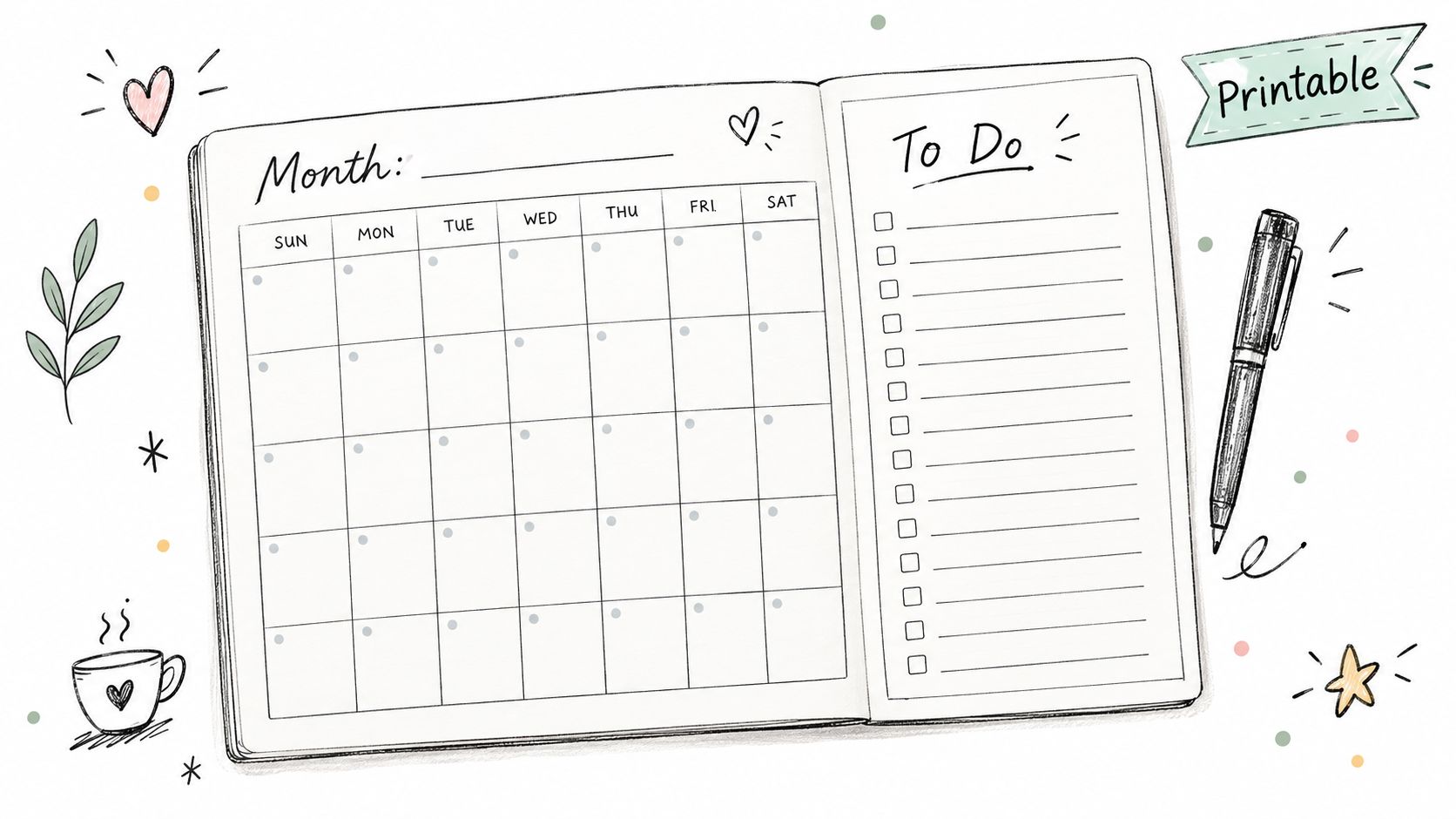
Printables are among the easiest products to test because they require little technical infrastructure and can solve a small, immediate need. Buyers may want a planning page, classroom worksheet, journal prompt set, event checklist, budget organizer, or digital file that works inside a tablet note-taking system.
Their low barrier to entry is also their main weakness. Generic planners and decorative pages are easy to copy and difficult to differentiate. The best product gives the buyer a complete system for a defined situation. A weekly planner for freelance project deadlines is more useful than another undated page. A wedding planning bundle should help coordinate vendors, deposits, and decisions rather than just provide attractive boxes.
Make the file useful on the first day
Offer a polished preview, explain how the file works, and distinguish printable, editable, and tablet-friendly versions. A bundle can create more value than a single page, but don't add irrelevant files just to increase the count.
Taap.bio gives creators a place to show page previews, collect email subscribers, and deliver the purchase immediately. Use email to announce seasonal versions, updated layouts, or related products. Pinterest and marketplace discovery can bring visitors, but your own storefront helps you build a direct relationship with buyers.
A printable should remove a decision, not create another project.
This category has limited recurring revenue unless you develop seasonal collections, annual editions, or a membership library. It works particularly well as a fast validation product. If buyers repeatedly ask for guidance, templates, or accountability, use that evidence to develop a workshop or coaching package.
9. Webinars and Workshops
Workshops sit between courses and coaching. They let you teach a defined topic in a concentrated format, answer questions live, and turn the recording into a reusable product. This combination gives you more buyer interaction than an eBook and less production commitment than a large course.
Choose a problem that benefits from demonstration. A designer could run a live portfolio critique. An SEO consultant might teach a practical audit workflow. A musician could host a production breakdown using a real track. The buyer should leave with a decision made, a file completed, or a process they can repeat.
Design the event around participation
A workshop sales page needs more than a title. Explain the audience, outcome, duration, materials, replay access, and level of participation. If attendees must bring a file or prepare information in advance, say so before checkout.
Use a taap.bio video widget for a preview and an email widget for registration updates. After the event, deliver the replay and supporting files immediately, then invite attendees to a course, consulting session, or membership. One workshop can therefore serve as both paid revenue and product research.
Keep the recording useful without making the live event feel unnecessary. Live questions, critiques, and demonstrations are the premium layer. The replay becomes the scalable layer. Avoid artificial urgency unless the event has a fixed date or limited review capacity.
A recorded workshop can also become an entry product for people who aren't ready to buy coaching. If questions cluster around one advanced problem, build the next workshop around that demand rather than guessing at a new topic.
10. Stock Media and Digital Resources
Stock media ranks tenth because buyer value can be high, but building, organizing, updating, and licensing a useful library demands sustained effort. Sell assets that solve a specific production problem, such as photographs, music, sound effects, fonts, illustrations, icons, video clips, or editing resources. Start with a focused collection for one audience instead of listing unrelated files.
A podcaster might buy an intro and transition pack. A small agency could need a consistent icon set for client presentations. A niche creator may pay for vertical video backgrounds or industry-specific photographs. Relevance, clear licensing, and production time saved determine the commercial value.
Make licensing easy to understand
State whether customers can use each asset personally, commercially, for one client, or across a team. Explain the rules for modification, resale, redistribution, and inclusion in a larger product. Clear terms reduce support requests and prevent confusion during checkout.
Use taap.bio image and video widgets to show practical previews. Connect the storefront to checkout and instant delivery so buyers can access files without manual fulfillment. Track which previews earn clicks, then produce more assets for the strongest use cases. Email capture supports collection announcements, seasonal bundles, and repeat purchases.
Creator-led photography and videography represented 44.3% of creative-service revenue in the Grand View Research market analysis. That figure does not validate every stock library, but it supports media products built around real workflows rather than undifferentiated files. Bundle related assets, document usage rights, and plan for customer questions after purchase. This model scales through downloads and bundles, while its main limitation is the ongoing work required to create distinctive inventory.
Top 10 Digital Products Comparison
| Product | Implementation Complexity 🔄 | Resource Requirements ⚡ | Expected Outcomes ⭐📊 | Ideal Use Cases 💡 | Key Advantages |
|---|---|---|---|---|---|
| Online Courses and Educational Content | High 🔄🔄🔄, curriculum + video production | High ⚡⚡⚡, recording, hosting, design | High ⭐⭐⭐, scalable revenue, authority, recurring launches | Coaches, consultants, niche experts | High margins; premium pricing; scalable audience capture |
| Templates and Design Assets | Low-Medium 🔄🔄, design + packaging | Low ⚡⚡, design tools, mockups | Moderate ⭐⭐, volume sales at low price points | Graphic designers, social media managers | Fast to create; instant delivery; passive once listed |
| eBooks and Lead Magnets | Low 🔄, writing + layout | Low ⚡, writing, basic design | Moderate ⭐⭐, list growth; low per-sale revenue | Authors, content creators, solopreneurs | Fast launch; low cost; excellent for email capture |
| Presets and Filters (Photo/Video/Audio) | Medium 🔄🔄, testing across media | Medium ⚡⚡, editing software, samples | Moderate-High ⭐⭐⭐, repeat buyers; niche loyalty | Photographers, videographers, podcasters | Instant application; strong niche communities; upsell potential |
| Software Tools and SaaS (Micro‑SaaS) | Very High 🔄🔄🔄🔄, product development + maintenance | Very High ⚡⚡⚡⚡, dev, hosting, support | Very High ⭐⭐⭐⭐, predictable recurring revenue, high LTV | Developers, product builders, B2B solopreneurs | Recurring subscriptions; sticky users; high scalability |
| Coaching and Consulting Packages | Medium 🔄🔄, prep + delivery of expertise | High ⚡⚡⚡, time, scheduling, client work | High ⭐⭐⭐, immediate revenue; strong client impact | Coaches, consultants, specialists | Highest per-sale price; direct client relationships; referrals |
| Membership Communities and Exclusive Access | Medium-High 🔄🔄🔄, platform + ongoing moderation | Medium-High ⚡⚡⚡, content, community management | High ⭐⭐⭐, recurring revenue; strong retention | Established creators, community builders | Predictable recurring income; engagement-driven retention |
| Printables and Planners | Low 🔄, design + formats | Low ⚡, design tools, thumbnails | Low-Moderate ⭐⭐, seasonal/recurring purchases | Designers, lifestyle creators, planners | Very low cost; discoverable on Pinterest; fast to update |
| Webinars and Workshops (Recorded or Live) | Medium 🔄🔄, content + promotion | Medium ⚡⚡, platform fees, prep time | High ⭐⭐⭐, strong conversions; funnel accelerator | Course creators, coaches, marketers | High conversion potential; repurposeable recordings |
| Stock Media and Digital Resources | Medium-High 🔄🔄🔄, creation + metadata | High ⚡⚡⚡, production, licensing, cataloging | Moderate-High ⭐⭐⭐, passive + subscription revenue | Photographers, musicians, designers with catalogs | Scalable libraries; subscription options; bundling upsells |
Build a Simple Product Ladder
The best digital product for you depends on the asset you can reuse without creating an impossible support burden. If you have a strong point of view but little production capacity, start with an eBook, template, printable, or preset. These products let you test a specific audience and problem before committing to a larger build.
If customers keep asking for personalization, use coaching or paid bookings first. A booking gives you direct access to the buyer's language, objections, workflow, and desired outcome. That information is more useful than broad survey responses because you'll see what people struggle to complete, what they already tried, and where they need judgment rather than information.
Once demand is clear, expand the proven problem into a course, workshop, membership, SaaS tool, or asset library. A course can organize repeated teaching. A workshop can add live feedback. A membership can deliver ongoing updates and community. A SaaS product can automate the task. An asset library can serve buyers who need ready-to-use material every month.
Don't launch all ten models at once. A crowded storefront makes visitors work too hard to understand what you sell. Choose one audience, one urgent problem, and one primary offer. Add a second product only when it supports the same buyer journey.
Your page should also make the next action obvious. A visitor might watch a demonstration, buy a downloadable file, join your email list, or book help with implementation. Those actions should reinforce one another rather than send people through disconnected tools. Taap.bio provides product blocks, built-in checkout, instant delivery for digital files, paid bookings with an on-page calendar, email signup, rich media widgets, and analytics for page and widget activity.
Mobile checkout deserves special attention. Global cart abandonment is reported at 70.2%, and another benchmark places typical checkout completion between 20% and 40%, with stronger stores exceeding 45% after targeted optimization, according to Searchlab's checkout statistics. Keep the offer, proof, price, and call to action visible. Minimize fields, test payment methods, and make instant delivery clear before the buyer pays.
Use analytics to separate demand from friction. Track product impressions, widget clicks, checkout starts, completed purchases, and email opt-ins. If visitors click but don't buy, improve the offer or proof. If they don't click, improve positioning. If mobile performance trails desktop, shorten the page, clarify the thumbnail, reduce checkout steps, or make delivery more explicit before rebuilding the product.
A simple ladder could look like this:
- Validation product: Sell a narrow guide, template, printable, or preset.
- Insight product: Offer a paid review, consultation, or implementation booking.
- Core product: Package repeated solutions into a course or workshop.
- Retention product: Add a membership, maintained library, or recurring software tool.
- Expansion product: Bundle complementary files, services, or licensing options.
The objective isn't to create the most products. It's to create a clear path from a buyer's first useful result to the next level of help. A focused offer for a defined audience will usually give you better feedback, clearer marketing, and simpler operations than a storefront filled with unrelated downloads.
Taap.bio gives creators a single page for digital-product previews, built-in checkout, instant file delivery, paid bookings, email capture, and widget-level analytics. Create one focused offer for one audience, then visit taap.bio to connect discovery, payment, delivery, and follow-up in one storefront.