The strongest digital product usually isn't the most elaborate one. It's the clearest solution to a specific audience problem. A focused guide that helps a buyer complete one task can be easier to sell, deliver, and improve than a sprawling product that tries to serve everyone.
That opportunity is substantial. The digital products economy has been estimated at more than $2.5 trillion in annual value, while internet users spent over $560 billion on digital media in 2024, including video, e-publishing, digital music, and games, according to Whop's digital product statistics summary. The practical question isn't whether people buy digital goods. It's which format fits your audience, your production capacity, and the next action you want buyers to take.
This list covers ten digital products ideas for creators, musicians, coaches, freelancers, and artists. Each one uses the same decision lens: audience fit, production effort, repeatability, price, delivery, and conversion path. A single-page creator store such as taap.bio can bring those steps together with product blocks, previews, checkout, instant file delivery, bookings, email capture, and analytics.
Table of contents
1. Digital Courses and Online Learning Products
A course works when your audience needs a sequence, not just an answer. A fitness creator might teach a progressive home routine, a musician could explain music production from setup to finished track, and a business coach could turn a repeatable client framework into lessons.
Start with one specific outcome. “Learn photography” is too broad. “Edit natural-light portraits in Lightroom” gives the buyer a clearer reason to purchase and gives you a manageable curriculum. Package the course as short video modules, worksheets, examples, and a concise implementation path. Buyers care less about the number of lessons than whether they can apply the material.
The format supports a range of pricing, from accessible self-serve education to a premium course with personal support. Whop's guide to selling digital products describes courses as a major creator format, but the trade-off is clear: recording, editing, organizing, and updating video takes more work than producing a simple PDF.
A practical offer structure could include:
- Core course: Focused modules, downloadable worksheets, and lifetime access.
- Useful bonus: A resource library, project file, or implementation template.
- Support upgrade: A paid Q&A booking or small-group review session.
Embed a short preview near the offer so visitors can judge your teaching style before buying.

Your taap.bio setup can place the course block beside a YouTube preview, an email signup for undecided visitors, and a booking block for post-course help. Buyers can pay and receive the digital files immediately, while non-buyers enter a follow-up audience. For a practical launch sequence, use this guide on how to sell online courses.
2. Digital Templates and Design Assets
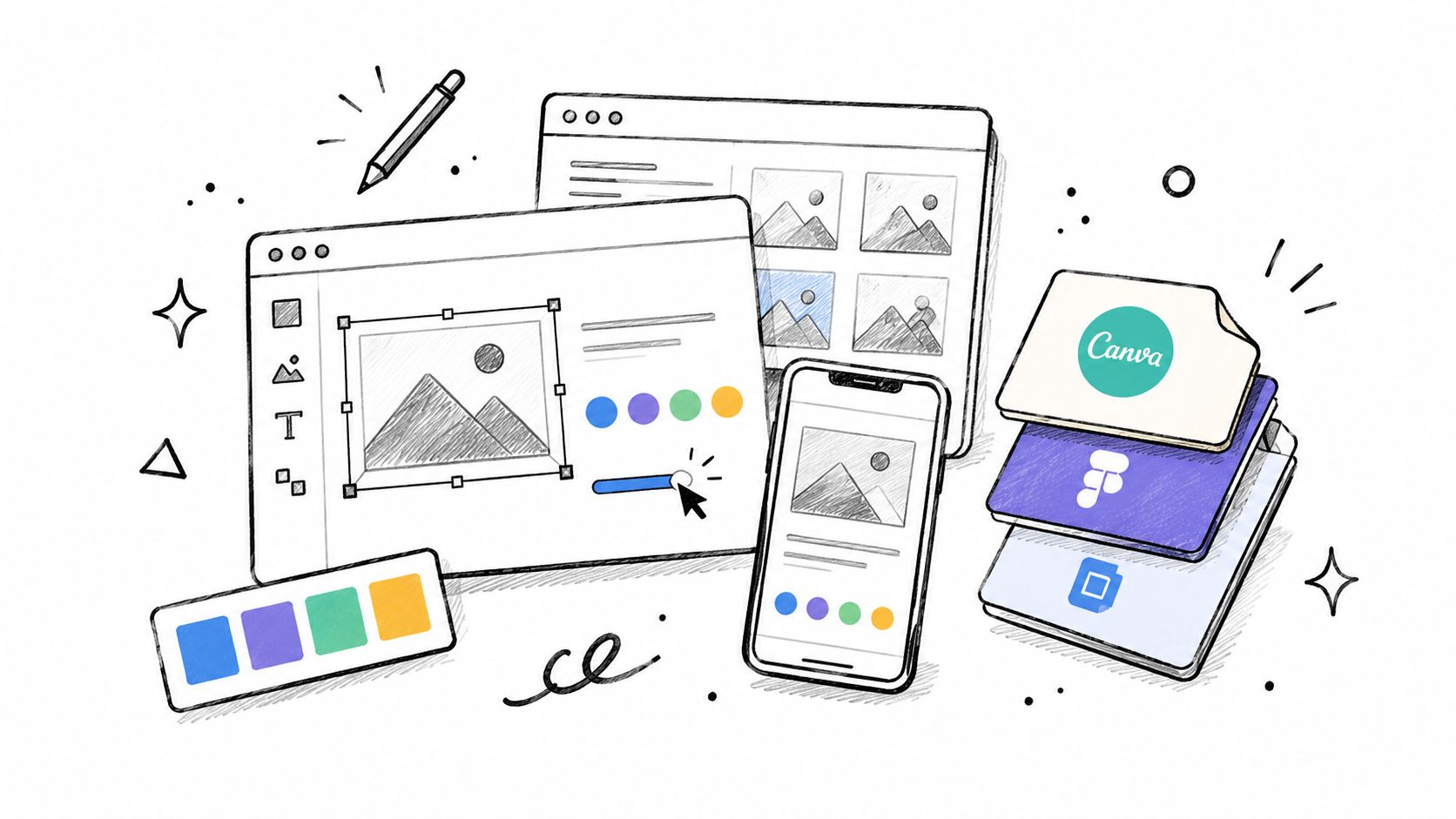
Templates sell because they remove the blank page. A freelancer can offer a client proposal system, a creator can sell a content planning workspace, and a designer can package editable Canva, Figma, Notion, or Google Docs assets for a narrow professional use case.
The strongest template isn't the one with the most pages. It's the one that matches a workflow buyers already repeat. A social media creator might sell a short-form content calendar with hook prompts, filming notes, and publishing fields. A consultant could offer a discovery-call worksheet, proposal template, and onboarding document as one connected client system.
Bundle related assets rather than presenting disconnected files. The bundle should help someone move from starting point to completed task, not just increase the file count. Include a short walkthrough, clear editing instructions, and a note explaining which software version the buyer needs.
Practical rule: Sell the workflow around the template, not just the template itself.
A useful structure includes:
- Entry product: One template that solves a familiar problem.
- Bundle: Several connected assets for the same job.
- Update promise: Revisions when platform formats or workflows change.
Use before-and-after images to show the transformation from an empty document to a usable system. A short video can demonstrate the template in context. The guide to selling Canva templates can help shape the storefront and offer flow.
On taap.bio, place the template product block beside image previews, a video walkthrough, and an email signup for a free sample. Delivery should include the editable source file, a PDF instruction sheet, and any required access links. This format is highly repeatable, but support requests can become time-consuming if your setup instructions are vague.
3. Booking Services and Consulting Calls
A paid call is the right digital offer when the buyer's problem depends on context. A career creator can review a resume, a designer can critique a portfolio, a coach can diagnose a blocked process, and a musician can provide feedback on a recording.
The product is your expertise and time, so the page must make the outcome concrete. “Book a consultation” is weak. “Leave with three prioritized changes to your portfolio homepage” gives the buyer a reason to schedule. State what the session includes, what the client must submit beforehand, and what they'll receive afterward.
Use a simple ladder rather than forcing every buyer into the same appointment:
- Short clarity call: One question or decision.
- Focused review: A defined audit with written notes.
- Deep consultation: A longer session with preparation and follow-up.
The trade-off is capacity. Services can generate revenue before you create a scalable asset, but every sale consumes calendar space. Require an intake form, set buffer time, and define boundaries around follow-up questions. A creator who accepts unlimited “quick questions” after each call can turn a profitable offer into unpaid support.
Your taap.bio page can show the booking options, collect payment upfront, and send calendar invitations automatically. Add a free email signup for people who aren't ready to schedule, then offer a course or template as a lower-commitment alternative. The guide to booking clients online covers this kind of direct booking flow.
A strong funnel often pairs the call with an owned product. Sell a portfolio template before the review, or include a course as a preparation resource. The buyer gets a clearer process, and you avoid rebuilding the same explanations in every session.
4. Email Courses and Automated Sequences
An email course turns a single idea into a guided progression. It's useful for creators whose audience needs encouragement, repetition, or action prompts rather than a large content library. A copywriter might teach a sequence for writing clearer sales emails, while a productivity creator could send a daily reset process.
The best email courses have a narrow promise and a visible finish line. A sequence titled “Build a Better Newsletter” is less compelling than “Plan Your First Four Newsletter Issues.” Each email should deliver one action, explain why it matters, and point to the next step.
You can use this format in two ways. A free sequence can build an email audience and introduce your paid products. A paid sequence can deliver structured education without the production burden of video. The trade-off is that email delivery depends on attention over time. Buyers may miss messages, lose momentum, or need a convenient archive.
Build the sequence around a simple rhythm:
- Welcome email: Confirm access and set expectations.
- Action emails: Teach one step at a time.
- Final email: Show the next logical offer, such as a course, template, or booking.
Your taap.bio page should make the signup promise visible in the email widget. Use a product block for a premium version, and explain whether buyers receive scheduled emails, downloadable files, or both. A clear guide to creating an email sequence can help you map the progression.
Avoid disguising a sales funnel as a course. If every message pushes the next product, subscribers will feel that the free experience was only a promotion. Teach enough to produce a useful result, then make the paid offer a logical way to go deeper.
5. Music, Audio Tracks, and Sound Effects
Musicians and audio creators can sell assets that other people need repeatedly. Product directions include royalty-free background music, podcast intros, cinematic loops, sound effects, sample packs, meditation audio, and production resources.
The buyer needs more than an attractive preview. They need to know exactly what they're allowed to do with the file. Separate personal use from commercial use, explain whether the license covers client work, and state whether resale or redistribution is prohibited. Ambiguous licensing creates support requests and can damage trust even when the audio itself is strong.
Package tracks by use case rather than by production history. A “podcast launch pack” might include an intro, outro, transition, and short stinger. A video creator may prefer a themed bundle of ambient loops and transitions. A single track can remain an entry offer, while a broader license or exclusive arrangement becomes the premium option.
Use taap.bio to create a focused storefront:
- Preview block: Embed selected tracks with Spotify or another audio preview.
- Product block: Deliver WAV, MP3, stems, or project files as promised.
- License block: Place the usage terms directly beside checkout.
The license is part of the product. Make it easy to understand before payment.
Audio products have strong repeatability, but discovery can be difficult if every file looks interchangeable. Show the sound in a real context, such as a podcast opening or short video, and describe the creator it's designed for. Direct buyers to one-page checkout instead of making them search across multiple platforms.
6. Photography Presets and Lightroom Filters
Presets are attractive to photographers, influencers, and visual creators because they turn a recognizable editing style into a downloadable tool. Buyers aren't only purchasing a filter. They're purchasing a shortcut toward a consistent visual identity.
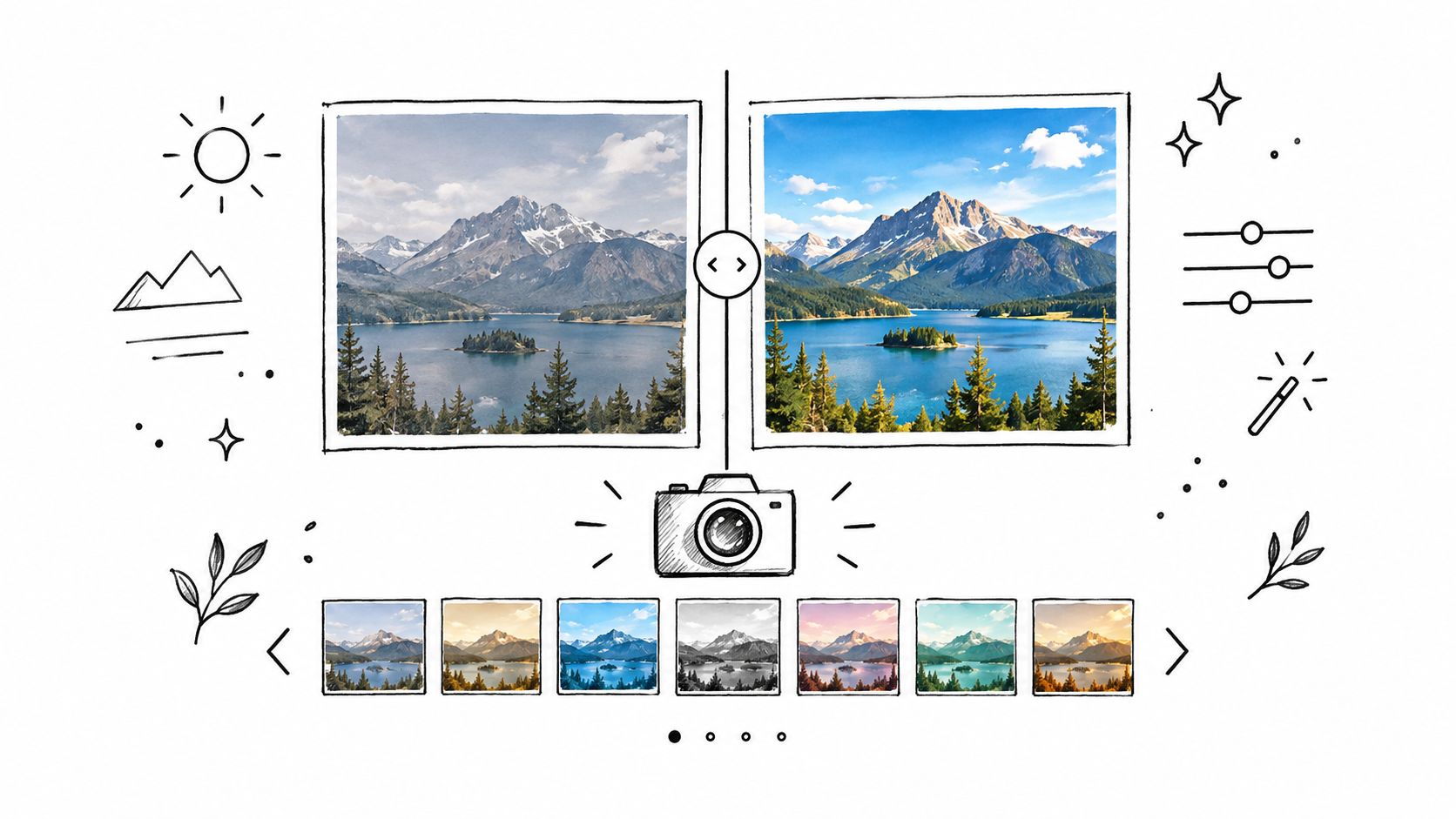
Build around a specific aesthetic or shooting context. A travel photographer might create a bright natural-light set, while a portrait creator could offer a skin-tone-conscious workflow for indoor sessions. Show original and edited images under different lighting conditions. If every preview uses an ideal photo, buyers may feel disappointed when the preset behaves differently on their own images.
A good offer includes the preset files, installation instructions, usage notes, and a short application tutorial. Explain the software compatibility and tell buyers how to adjust exposure, white balance, and contrast after applying the preset. This reduces refunds caused by unrealistic expectations.
Taap.bio can host the preset product beside before-and-after image blocks and a video demonstration. Add a free sample to the email signup so visitors can test your style before buying a larger pack. For a storefront-specific approach, see how to sell presets online.
Cross-selling can work when the products serve the same visual workflow. Pair presets with a photography guide, posing reference, or social content template. Don't bundle unrelated assets to raise the price. The buyer should understand how each file contributes to the finished image.
Your marketing hook should be specific: “Create warm indoor portraits with a consistent finish,” not “Transform your photos.” That promise gives the audience a clear reason to preview the product and decide whether your style fits their work.
7. eBooks and Written Guides
An eBook is often the best starting point for a creator who can explain a process clearly but doesn't want to record video. The format works for SEO guides, career advice, creative tutorials, cooking systems, financial education, and niche professional playbooks.
Specificity determines whether the guide feels useful. “Blogging basics” competes with endless free content. “Write search-friendly headlines for service businesses” points toward a defined reader and a practical outcome. Organize the guide around decisions and actions, not just information. Include examples, worksheets, scripts, or checklists that help readers use the advice immediately.
A simple offer ladder can make the guide easier to buy:
- Free sample: A short section or starter worksheet for email capture.
- Core guide: The complete PDF with examples and exercises.
- Implementation add-on: A template, review call, or video walkthrough.
Written products are faster to update than recorded courses, but buyers may judge them by presentation as much as substance. Use clear navigation, readable formatting, descriptive filenames, and an explicit refund or support policy. If the guide includes advice in regulated areas such as health, finance, or law, add appropriate limitations and encourage readers to seek qualified professional guidance.
Taap.bio can place the eBook block beside a page preview, author introduction, video testimonial, and email signup. Instant delivery supports impulse purchases, while the email list gives you a channel for updates and related offers.
Repurpose carefully. Turn the guide's ideas into social posts, a video series, or an email course, but don't give away every useful section in the promotion. Show the method, demonstrate your expertise, and reserve the complete implementation path for the paid product.
8. Membership Communities and Exclusive Access
Memberships create an ongoing relationship rather than a single transaction. A creator might offer private discussions, live Q&A sessions, monthly workshops, resource updates, group accountability, or access to a curated content library.
The recurring model has a demanding trade-off. You must keep delivering value after the initial purchase, and the audience must understand why staying subscribed makes sense. A vague promise of “exclusive content” won't carry the offer. State the recurring benefit in operational terms, such as a monthly critique session, new templates, or a moderated peer group.
Before launching, look for evidence of repeated audience demand. Are people asking the same questions? Do they want feedback on their work? Would they benefit from interacting with one another? If the genuine need is a one-time answer, a guide or template may be a better fit.
Structure the membership around a reliable cadence:
- Core access: Community participation and the resource archive.
- Recurring event: A live Q&A, workshop, or co-working session.
- Premium option: Direct feedback, small-group access, or private calls.
Market the transformation in terms of participation and progress, not just access. Use taap.bio's email widget to explain the community, and pair the membership block with a free preview or introductory event. Clear cancellation terms matter because buyers are increasingly cautious about recurring fees, a concern also highlighted in digital product market coverage from HTF Market Insights.
A membership can become a strong extension of a course or template business, but it shouldn't be used to hide a thin product. Give members a reason to return, contribute, and see progress.
9. Printable Planners and Workbooks
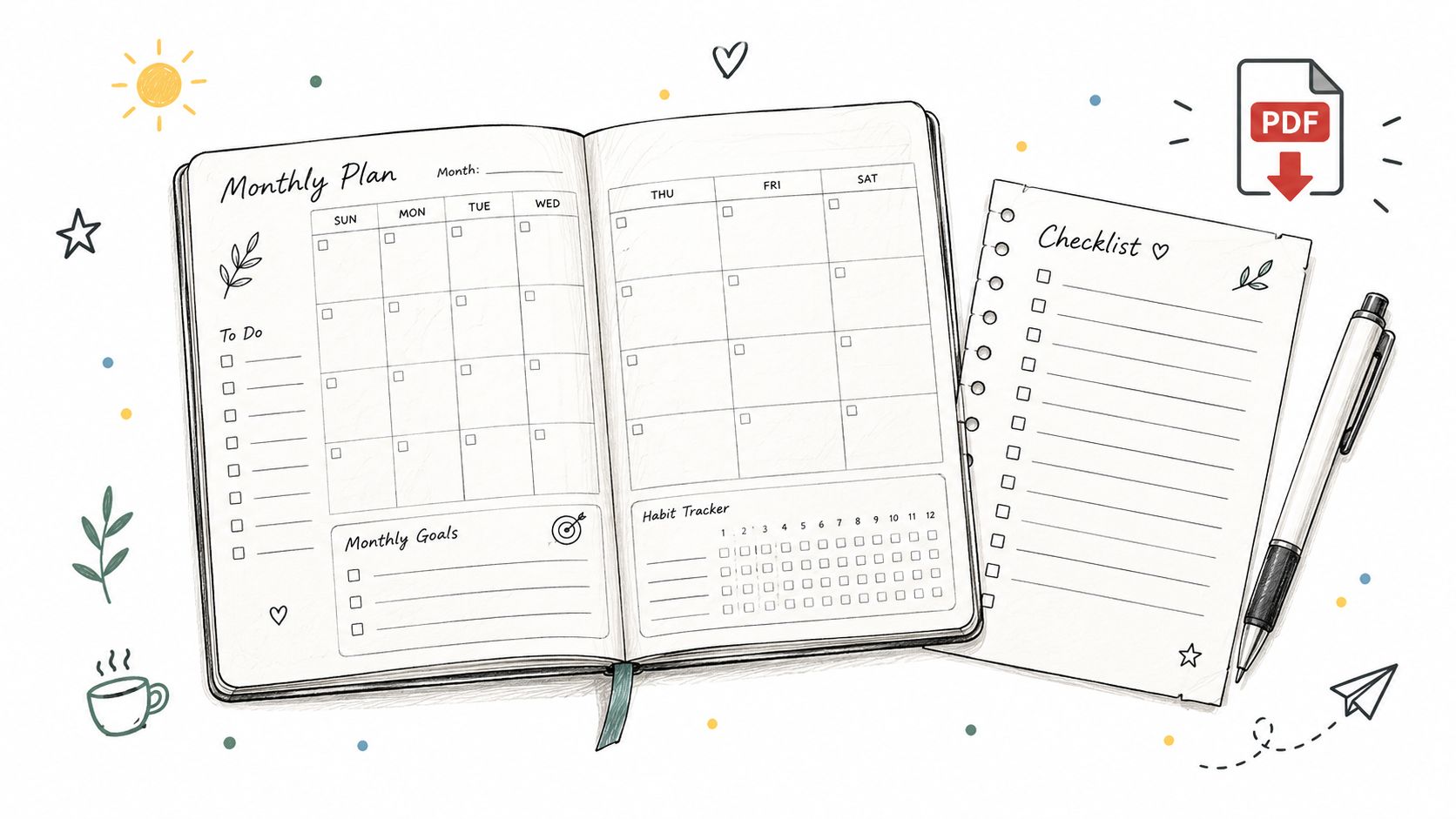
Printable products suit creators who understand a repeated planning task. Examples include a student study planner, a wedding planning workbook, a real estate lead tracker, a meal planning system, or a fitness progress journal.
Generic planners are easy to copy and difficult to differentiate. Niche planners win by reflecting the buyer's real vocabulary and workflow. A freelancer needs proposal dates, invoices, and client follow-ups. A student needs subjects, deadlines, revision sessions, and exam preparation. The more accurately the product mirrors daily decisions, the more useful it becomes.
Design for the way buyers will use it. Some want a printable PDF, while others prefer an interactive document for tablet use. Include printing guidance, page-size information, and a short walkthrough. If the product contains forms or calculations, test them on the devices and software you mention.
Your offer can include:
- Single planner: One clearly defined use case.
- Bundle: Connected pages for planning, tracking, and review.
- Bonus: A filled example or short setup video.
Use taap.bio image widgets to display the pages at readable scale. A YouTube walkthrough can demonstrate printing and digital use, while the email widget can offer a free sample page. The product block should make the file format and delivery method obvious before checkout.
Market the planner around a moment of friction. “Plan your week” is broad. “Keep every wedding vendor, payment, and deadline in one workbook” speaks to a specific buyer. That same principle applies to productivity, wellness, education, and business planning products.
10. Affiliate Marketing and Commission-Based Recommendations
Affiliate marketing isn't a downloadable product, but it can sit beside owned products in a creator storefront. A tech reviewer can recommend software, a productivity creator can share the tools behind a workflow, and a musician can point beginners toward equipment they use.
Trust is the product. Your recommendation should explain who the tool suits, where it falls short, and what alternative a buyer should consider. A list of unexplained affiliate buttons may produce clicks, but it doesn't give the audience enough information to make a confident decision.
Disclose the commercial relationship clearly on every relevant page or link. Refport's affiliate link breakdown offers background on how affiliate links function, but your own disclosure should be written in plain language, such as “This is an affiliate link, and we may earn a commission if you purchase.”
Use taap.bio to organize recommendations into clear categories:
- Tools you use: Software, equipment, or services shown in your content.
- Best for different buyers: Beginner, professional, budget, or advanced options.
- Owned-product connection: A course, template, or guide that teaches the workflow.
Track clicks and conversions through your analytics, then improve the content around recommendations that help buyers decide. Don't promote a product solely because its commission is attractive. A poor recommendation can reduce trust in every other offer on your page.
The strongest model combines affiliate income with an owned asset. For example, a video editing creator might recommend software, sell a preset pack, and offer a paid editing review. Each offer serves a different level of buyer intent without pretending that one product fits everyone.
Top 10 Digital Product Ideas Comparison
| Product | 🔄 Implementation Complexity | ⚡ Resource Requirements | 📊 Expected Outcomes | 💡 Ideal Use Cases | ⭐ Key Advantages |
|---|---|---|---|---|---|
| Digital Courses and Online Learning Products | High 🔄 (curriculum design, video production) | Moderate‑High ⚡ (recording, editing, hosting) | High 📊 (scalable passive income, authority) | Online coaches, course creators, skill influencers | ⭐ Passive income, high margins, credibility |
| Digital Templates and Design Assets | Low‑Medium 🔄 (design + export workflows) | Low ⚡ (design software, assets) | Medium 📊 (steady impulse sales, bundleable) | Designers, brand strategists, social managers | ⭐ Fast to produce, very high margins |
| Booking Services and Consulting Calls | Medium 🔄 (calendar + payment setup, ongoing ops) | Medium ⚡ (creator time is main resource) | High 📊 (immediate high hourly revenue; limited scale) | Coaches, consultants, freelancers, therapists | ⭐ High hourly rates, immediate payouts, relationship building |
| Email Courses and Automated Sequences | Low‑Medium 🔄 (sequence writing, automation) | Low ⚡ (email platform, content) | Medium‑High 📊 (list growth, strong upsell conversion) | Content creators, email marketers, solopreneurs | ⭐ Nurtures audience, repeatable, low maintenance |
| Music, Audio Tracks, and Sound Effects | Medium‑High 🔄 (production, mastering, licensing) | Medium ⚡ (studio/software or outsourcing) | Medium 📊 (passive + licensing revenue; volume dependent) | Musicians, producers, podcasters, editors | ⭐ Multiple revenue streams, scalable after creation |
| Photography Presets and Lightroom Filters | Low 🔄 (preset creation, documentation) | Low ⚡ (editing software, demo images) | Medium 📊 (impulse purchases; volume required) | Photographers, visual creators, influencers | ⭐ Low cost to create, high perceived value |
| eBooks and Written Guides | Low‑Medium 🔄 (writing, design, formatting) | Low ⚡ (time, editing, cover design) | Low‑Medium 📊 (passive sales; discovery can be hard) | Writers, coaches, niche experts | ⭐ Quick to launch, builds authority, low overhead |
| Membership Communities and Exclusive Access | High 🔄 (platform, content cadence, moderation) | High ⚡ (ongoing content, community management) | High 📊 (predictable MRR, high lifetime value) | Established creators with 10K+ audiences | ⭐ Recurring revenue, strong retention, loyalty |
| Printable Planners and Workbooks | Low 🔄 (design and print optimization) | Low ⚡ (design tools, formatting) | Low‑Medium 📊 (impulse sales; volume-driven) | Designers, productivity creators, bloggers | ⭐ Low production cost, easy to bundle and upsell |
| Affiliate Marketing and Commission Recommendations | Low 🔄 (link curation, disclosure) | Very Low ⚡ (no product creation; tracking) | Low‑Medium 📊 (passive but audience-dependent) | Content creators, reviewers, niche influencers | ⭐ No upfront cost, scalable, passive income potential |
Choose One Offer and Put It in Front of Buyers
The right choice isn't the product with the highest theoretical ceiling. It's the offer that matches a problem your audience already expresses and that you can deliver consistently. A creator with repeated questions may start with a guide. A designer with a recognizable workflow may choose templates. A coach with a strong diagnostic process may begin with paid bookings. A musician with a catalog of useful assets may package tracks, licenses, or sound effects.
Choose one buyer outcome before you create anything. Write the promise in a sentence that names the audience, the problem, and the result. Then build the smallest useful version. A short course can become a larger curriculum later. A single template can become a workflow bundle. A consultation can reveal the questions that deserve a future guide.
Price should reflect the format, access, support, and maintenance involved. A self-serve download can stay simple. A product that includes personal feedback, live access, or ongoing updates needs boundaries and a delivery plan. Don't charge for complexity that the buyer doesn't value, and don't offer unlimited support inside a low-touch product.
Give potential buyers a way to evaluate the offer before checkout. Use a page preview for a guide, a before-and-after image for presets, a track sample for audio, or a short lesson for a course. The preview should demonstrate the experience without replacing the product.
A one-page storefront can reduce the distance between discovery and action. With taap.bio, you can place the product block, media preview, checkout, and instant delivery on one page. Add email capture for visitors who aren't ready, or paid bookings when a service upgrade fits the offer. Its analytics can help you see which blocks receive attention and where visitors stop taking action.
Use practical content to drive traffic. A blog post built from a specific problem, such as a listicle for direct-to-consumer brands, can attract readers who are already researching solutions. Social videos, email lessons, demonstrations, and customer questions can all point toward the same focused offer.
Launch in this order:
- Validate: Ask your audience about the problem and review recurring questions.
- Package: Build the smallest version that creates a useful result.
- Publish: Add a clear preview, price, delivery explanation, and checkout.
- Promote: Show the product solving the problem in real content.
- Review: Study clicks, purchases, signups, and booking behavior.
- Improve: Update the product based on buyer questions and observed friction.
Don't launch ten products at once. Choose the offer you can finish, explain, deliver, and improve. A focused product in front of the right buyers teaches you more than a large catalog that never receives a clear launch.
taap.bio gives creators a single page for digital product blocks, rich media previews, built-in checkout, instant delivery, paid bookings, email capture, and analytics. Visit taap.bio to turn one of these digital products ideas into a focused offer buyers can understand and purchase.