You post a finished piece. The comments are strong, a few people ask if it's for sale, and then nothing happens because there's no clear offer, no checkout path, and no system behind the attention. That gap is where a lot of artists lose money.
Digital products solve a practical business problem. They let artists sell expertise, process, and repeatable outcomes without dealing with inventory or shipping. A preset pack, template set, brush library, workbook, or course can start as work you already do for yourself, then become a product that sells more than once.
Independent artists have more ways to sell than they did a few years ago. Etsy and Gumroad made digital delivery normal for buyers, and social platforms made it easier to build demand before a product even exists. If you already have followers, even a small audience, you do not need to wait for gallery representation to earn cash from Instagram followers.
The primary question is fit. Some products scale cleanly and need very little support. Others bring in higher order values but require revisions, onboarding, or direct client communication. Good product strategy starts there. Match the offer to your workflow, your skill set, and the amount of customer contact you can realistically handle.
This guide takes a more useful angle than a generic idea list. Each product type works better with a simple business plan attached: what to sell, how to package it, what to charge, and how to promote it using tools that shorten the path from interest to purchase, including link-in-bio setups like Taap.bio. The goal is not to give you ten abstract options. The goal is to help you choose one offer you can package, publish, and start selling with intent.
Table of contents
1. Digital Art Presets and Filters
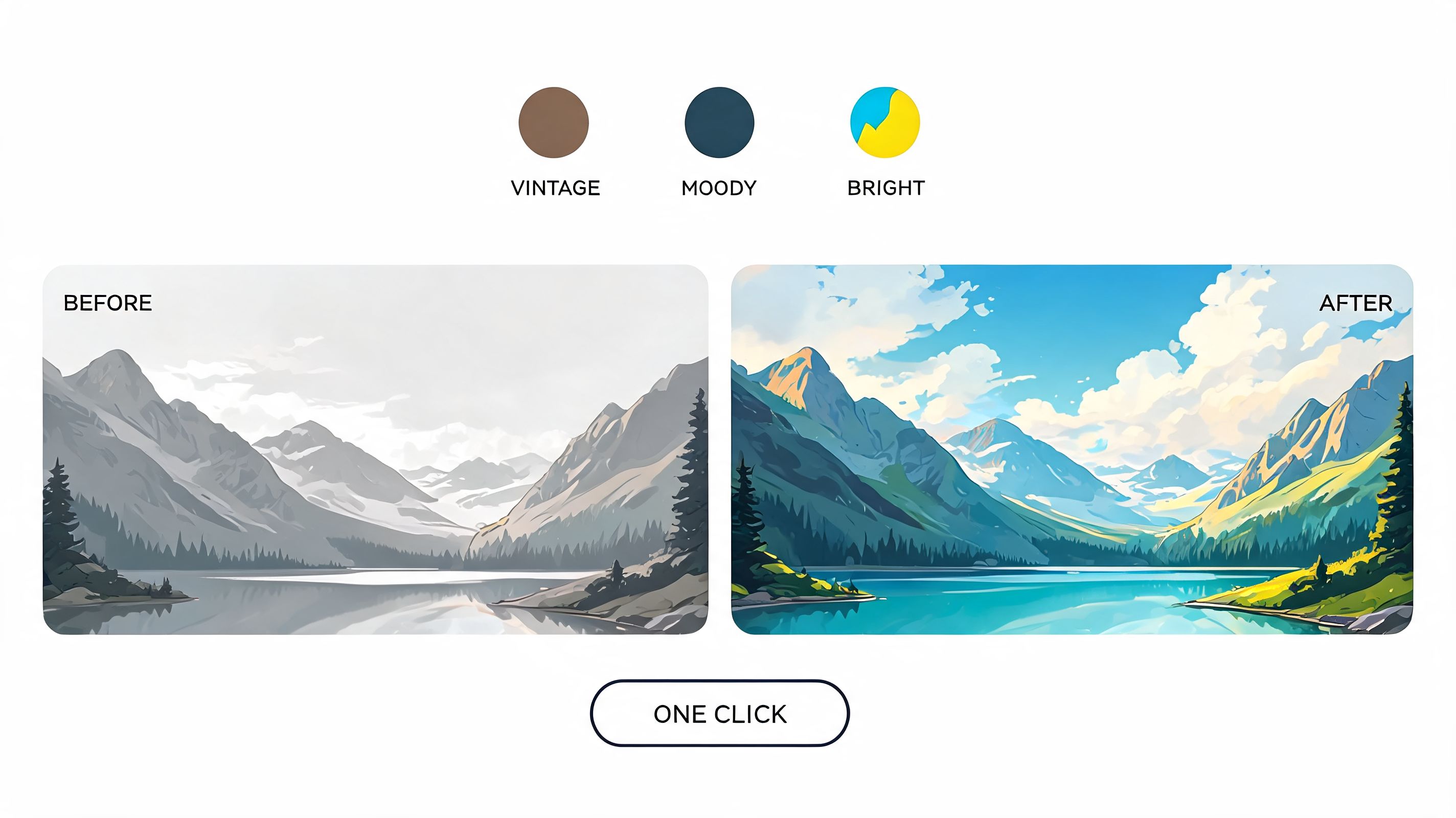
Presets sell best when they produce a recognizable look fast. If your photography, reels, scanned paintings, or studio shots all share a consistent mood, that style can become the product. Buyers aren't paying for sliders. They're paying for speed and consistency.
This is strongest for artists who already post polished before-and-after content. If your work looks flat out of camera and only comes alive after editing, you've already built the proof. Package that transformation.
What to sell
Sell by outcome, not by software menu. A better product page says “moody studio preset pack” or “bright market-day color pack” instead of “12 Lightroom presets.”
A practical packaging structure:
- Starter pack with a few signature looks
- Full collection with variations for indoor, outdoor, and low-light images
- Bonus guide showing how to adjust exposure before applying the preset
If you work across Lightroom, Photoshop, or mobile workflows, keep the first version simple. One platform is enough. Broad compatibility sounds attractive, but it multiplies support requests.
Practical rule: If a preset needs a long troubleshooting document, it isn't ready to sell.
Pricing and promotion
Price this as a low-friction buy. Buyers often test your aesthetic with a smaller pack before they trust a larger bundle. A free sample preset can do more for conversions than a long sales paragraph because it lets people test your taste on their own images.
Promotion is visual. Post carousel comparisons, short edits, and examples on different skin tones, paper textures, or lighting conditions if your niche includes portraits, artwork scans, or product photography. On Taap.bio, build one clean block for the free sample and one for the paid bundle. Keep the path obvious.
What doesn't work is generic editing. “Makes your photos better” is weak. A preset has to solve a specific visual problem, such as warming cold scans, cleaning muddy shadows, or making art market photos feel cohesive.
2. Digital Art Templates and Design Templates
Templates are strong when your audience needs polished visuals but doesn't want to start from a blank canvas. That's why they do well for artists who also understand layout, branding, or social content.
The mistake is trying to serve everyone. The template market is crowded. A broad “Instagram templates for creators” pack gets lost. A sharper offer, such as portfolio announcement templates for illustrators or launch graphics for makers, gives buyers a reason to choose you.
Best angles for artists
Artists have an edge here because you can make templates feel designed instead of merely functional. Use your style as the differentiator. A ceramic artist can make earthy launch templates. A collage artist can build expressive poster packs. A lettering artist can sell quote layouts with editable type zones.
Good formats include Canva files, Figma files, portfolio sheets, pitch deck covers, digital lookbooks, and product mockup sets.
A strong template bundle usually includes:
- Core files customers can edit quickly
- Preview examples showing finished uses
- Short walkthrough so non-designers don't get stuck
Pricing and packaging
Templates benefit from tiered packaging. A small niche pack is the entry point. A larger branded system becomes the upsell. You can also pair templates with matching icons, color palettes, or caption prompts.
This category overlaps well with the broader digital asset space. Creative assets and digital art prints remain one of the most consistently profitable segments, and downloadable files in niches like abstract art, nature scenes, inspirational quotes, and zodiac elements commonly sell in the $5 to $25 range, according to Stan's digital product ideas guide. That range is useful because it tells you buyers are already comfortable purchasing well-packaged visual assets at accessible price points.
What doesn't work is dumping a massive folder of files without context. Most buyers want less choice, not more. Curate tightly. Show exactly what each template is for, and display previews in a portfolio-style layout so the product looks usable at a glance.
3. Online Art and Design Courses
Courses are not passive in the way many artists hope. They can become durable products, but they're front-loaded with planning, filming, editing, and support. If you hate repeating yourself in DMs, though, a focused course can turn that repetition into revenue.
The best first course is narrow. “How to paint watercolor florals for stationery products” beats “watercolor masterclass.” “How to scan gouache paintings for printable art” beats “sell your art online.” Specific outcomes sell.
Build the course around one transformation
Start with one problem your audience already asks about. That keeps production lean and marketing simple. You don't need ten hours of material. You need a clear result and a smooth path.
A reliable structure looks like this:
- Lesson 1 sets up tools, files, and expectations
- Middle lessons show the workflow in short segments
- Final lessons cover export, packaging, and selling
For artists with traditional media backgrounds, this category matters even more. Existing guidance often favors digital-native creators, yet traditional artists can absolutely take part, and a major gap remains around low-tech workflows for turning physical art into sellable digital products, as outlined in Skillshare's discussion of digital products for creators.
Sales and trust
A course usually needs stronger trust signals than a low-cost download. Use a preview lesson, curriculum outline, and examples of the finished result. If your audience learns visually, a landing page with clips, materials, and project outcomes will outperform text-heavy copy.
You can also repurpose the material into shorter educational content. If you want a lighter production workflow, you can transform course material into videos and use those clips to promote the full course.
Buyers don't need more information. They need a cleaner path from where they are to a result they can see.
What doesn't work is overbuilding before validating demand. Sell the promise of the course with a waitlist, teaser lesson, or mini workshop first. Then build the full version once people show interest.
4. Digital Brushes and Custom Tools
A brush pack starts selling the moment another artist sees your process and thinks, “That would save me 20 minutes on every piece.” That is the business case. You are not selling files. You are selling speed, a repeatable look, and marks that are hard to fake with default tools.
Procreate and similar apps already trained buyers to understand the product. The opportunity is not in making more brushes. It is in making a tighter set for a clear job.
Build the pack like a product line
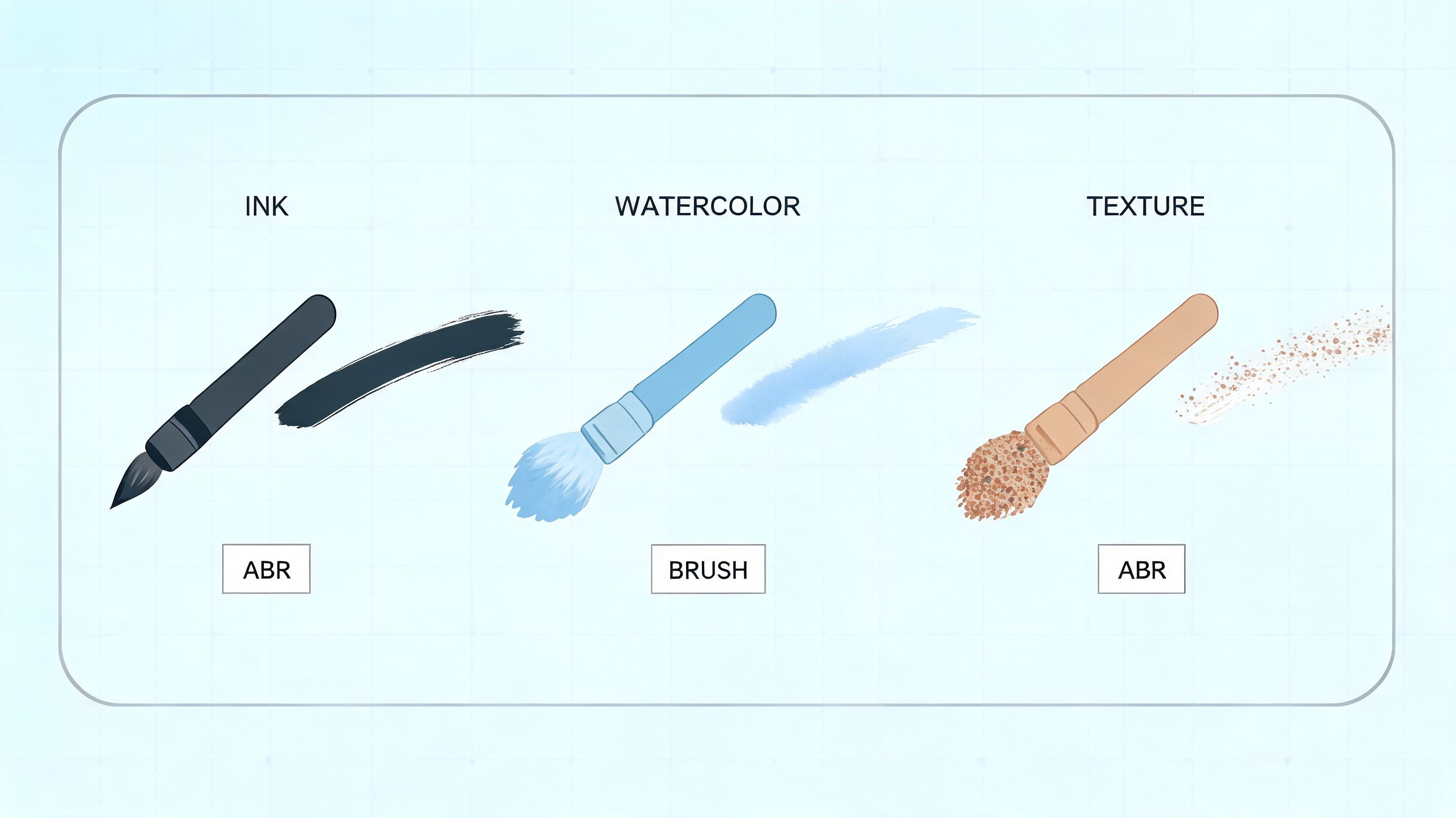
The strongest brush packs solve one specific problem. A grainy gouache set for poster-style art. An inking pack for comics. A texture set for worn packaging mockups. Broad “mega bundles” look generous, but focused packs usually sell better because the buyer knows exactly what result to expect.
A simple pricing structure works well:
- Starter pack: 8 to 12 brushes at an entry price
- Core pack: your main set with a short guide and sample file
- Complete bundle: multiple related packs for higher order value
This is a good category for stacking offers. Sell the brush set, then add paper textures, a mini workflow demo, or a color palette pack as an order bump. That turns a small download into a compact system.
Show the result, then show the tool
Brushes are hard to sell with descriptions alone. Buyers need to see line taper, pressure response, texture breakup, and how the marks behave at different sizes. Process clips usually outperform polished mockups because they answer the core question fast. “What happens when I use this?”
Here's a useful demonstration of how artists present digital brush products in action:
Use that same logic on your sales page. Lead with a before-and-after sample, add a 10 to 20 second drawing clip, then show exactly what files are included. If you sell through a link-in-bio page, Taap.bio works well for routing people to the brush pack, demo reel, email list, and limited launch bonus without sending them through a cluttered menu.
The real work is support and positioning
Support is where brush sellers lose time. Installation problems, app version confusion, and messages from buyers who expected your full skill instead of your tools come with the territory. Cut that down early with a one-page install PDF, a setup video, and a note that explains what affects the final result, such as pressure settings, canvas size, and technique.
Promotion also gets easier when the pack has a narrow use case. “Tattoo shading brushes for Procreate” is easier to market than “30 awesome brushes.” For launch content, make three assets: a fast demo, a carousel of stroke samples, and a finished artwork breakdown. If you want help producing those assets faster, it can help to compare content creation AI tools for promo visuals, tutorial drafts, and product page copy support.
Keep the promise honest. A brush cannot replace taste, drawing skill, or composition. It can remove friction from a process the buyer already wants to repeat. That is enough to make this a strong, scalable product for artists with a recognizable technique.
5. Stock Photos, Illustrations and Assets
This category is less glamorous than courses or commissions, but it can be one of the steadiest. Businesses, content creators, and other designers constantly need usable visuals. If your style is clean, distinctive, and easy to license, stock-style assets can become a practical product line.
This works especially well for artists who can produce in series. One-off hero illustrations are harder to sell repeatedly than a coherent set of icons, scenes, textures, or cutout elements.
Think like a buyer, not a maker
The buyer usually needs speed. They want to drag an asset into a website, social post, presentation, or packaging draft and move on. That means your files should be organized, transparent where needed, and available in the formats people use.
Asset types that translate well include:
- Illustration packs for industries or themes
- Icons and symbols with a consistent visual language
- Textures and overlays for designers and content creators
- Photo sets with clear licensing and niche relevance
The more specific the collection, the better. General “business illustrations” are crowded. “Hand-drawn wellness icons” or “garden shop clip art” gives buyers a faster yes.
Packaging and promotion
Sell individual sets and bundles. Individual packs lower the entry barrier. Bundles increase average order value without extra fulfillment work. Add a simple licensing explanation directly on the sales page so people know whether they're buying for personal use, client work, or broader commercial use.
This category also pairs naturally with a visual storefront. On Taap.bio, you can show a media grid with sample images linked to the exact collection, rather than forcing buyers through a generic link list. That's a better fit for image-driven products.
What doesn't work is inconsistent style across the bundle. If half the files feel minimal and the rest feel decorative, the buyer has to do too much curation. They won't.
6. Digital Coloring Pages and Workbooks
Coloring pages sound simple, but the market rewards style and positioning. Generic mandalas and basic doodles are easy to make and hard to differentiate. The better move is to treat coloring pages like branded art products.
Artists who do this well create a world around the pages. That could be botanical studies, cozy interiors, folklore creatures, affirmations, fashion sketches, or educational themes. The page isn't just something to fill in. It's an invitation into your visual language.
Make it usable in more than one way
A smart pack works both as a printable PDF and as a digital coloring file for tablet users. That widens the audience without changing the core art. Add a cover page, a few suggested palettes, or a bonus mini workbook and the offer feels more complete.
You can package this category in several ways:
- Single themed pack for fast impulse buys
- Seasonal collections that refresh during the year
- Workbook format with prompts, journaling, or light education
A coloring product needs a point of view. If the art looks interchangeable, the offer is interchangeable.
Promotion that actually helps sales
Process content is the obvious move here. Time-lapse coloring videos, page flips, and side-by-side examples perform better than static product listings because buyers immediately understand how the file works.
Encourage customers to share finished pages and repost them. That kind of user-generated content does two things at once. It proves the product is enjoyable to use, and it gives your audience ideas for color palettes and styles.
What doesn't work is overcomplicating the line art. If a page is too dense, casual users get intimidated. If it's too sparse, advanced users get bored. Build collections with a consistent difficulty level so buyers know what they're getting.
7. Coaching Calls and Consultation Services
This is the least passive option on the list, but often the fastest way to monetize expertise. If people already ask for portfolio feedback, pricing advice, licensing help, or workflow critiques, then consultation is a product, not a favor.
The key is boundaries. Artists get burned here when every call turns into custom mentoring with endless follow-up. A coaching offer needs clear scope before you publish it.
Productize the call
Don't sell “pick my brain” time. Sell a defined outcome. Portfolio review, Etsy listing audit, print-ready file critique, collector presentation feedback, or digital product launch planning are easier to buy because the result is tangible.
A strong consultation offer includes:
- Session length
- What the buyer must send in advance
- What they'll receive after the call
- What is not included
Offer one-off calls first. Packages make sense later, once you know the repeat questions and can standardize your prep.
Booking and upsells
A clean system is vital. If booking requires back-and-forth emails, people drop off. A platform with scheduling, payment, and intake in one place reduces friction. Taap.bio supports booked calls alongside digital products, which is useful if your store mixes lower-ticket downloads with higher-touch services.
Coaching also works as an upsell from cheaper products. Someone buys your branding template pack, then books a review call to customize it. Someone takes your mini course, then books a critique to apply it to their own work.
What doesn't work is vague positioning. “Creative coaching” is too broad unless your audience already knows you well. Narrow offers sell faster and create better client experiences.
8. Brand Identity Packages and Design Systems
Some artists sit on a profitable service without labeling it properly. If you've helped friends, local businesses, bands, or makers with logos, colors, packaging visuals, or social graphics, you already have the raw material for a brand identity offer.
This category can be sold two ways. First, as done-for-you client work. Second, as semi-custom or DIY systems built from templates, brand boards, and editable kits. The second version is closer to a digital product. The first is a service with productized packaging.
Structure the offer around decisions
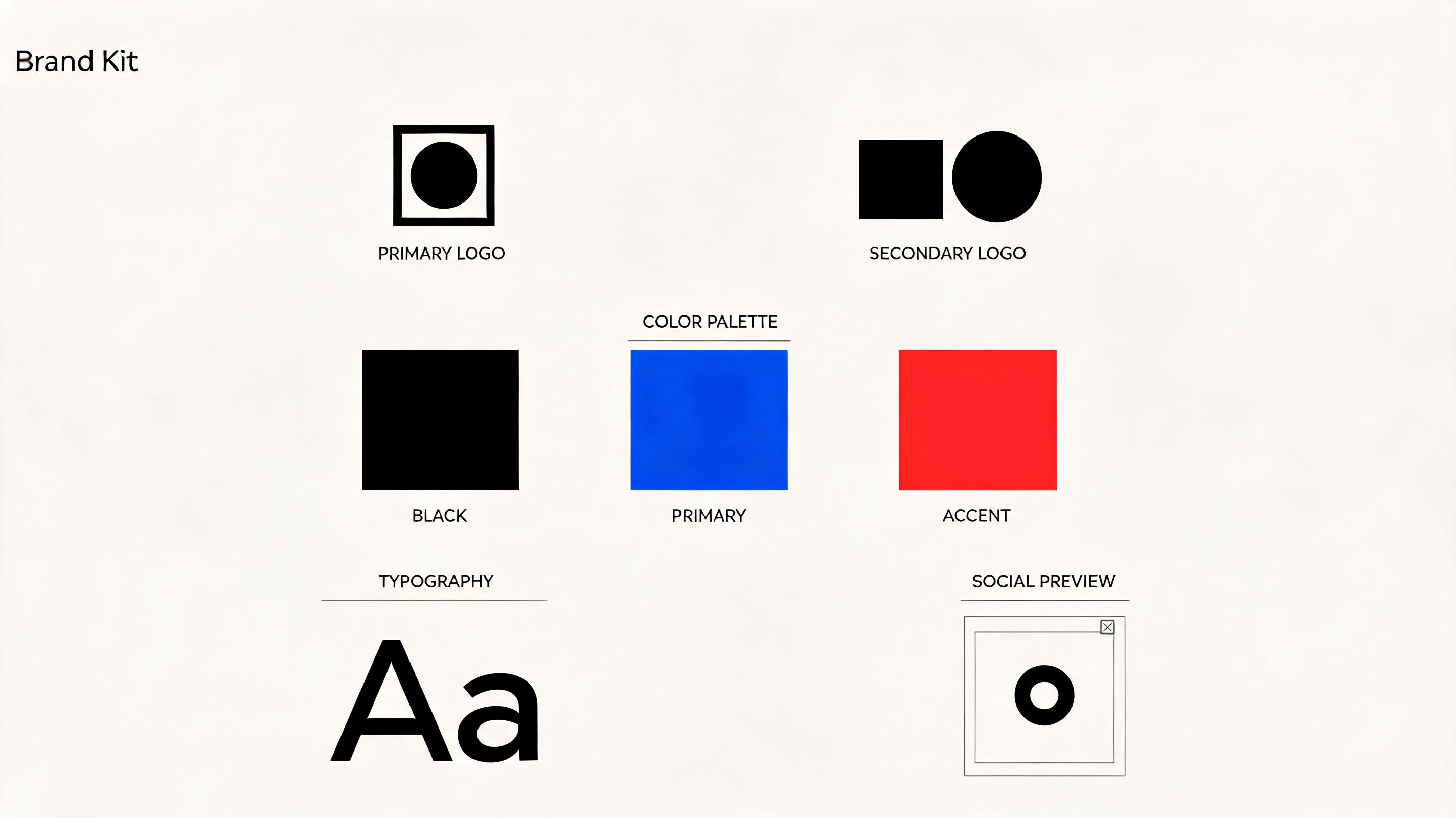
Clients don't just need files. They need help making visual decisions. So the best package names aren't “bronze, silver, gold.” They're outcome-led: logo starter kit, visual identity system, or launch-ready brand package.
A simple structure might include:
- Core identity with logo, palette, and type pairing
- Application layer with social templates or packaging mockups
- Usage guide so the client can stay consistent
For a DIY version, create editable kits for a specific niche, such as florists, ceramic studios, or wellness creators. Generic branding kits are easy to ignore. Niche kits feel ready-made.
Where artists go wrong
They under-scope revisions and over-deliver custom work. That's fine once or twice. It breaks quickly when the service gets busy. Limit revisions, define timelines, and make sure the package reflects the amount of strategy involved.
This category also benefits from before-and-after storytelling. Show the old visual identity, the new one, and how the system applies across posts, packaging, or launch graphics. Buyers don't want isolated logo art. They want coherence.
9. Digital Membership and Community Access
A membership works when you already create on a rhythm. If you post process videos, tutorials, resource drops, critiques, or behind-the-scenes updates consistently, membership can turn that cadence into recurring revenue.
It fails when creators launch on enthusiasm alone and then run out of material two months later. Ongoing offers need editorial discipline. Before you launch, know what members get each month and what you can realistically sustain.
Design for retention, not just signup
People join because of a promise. They stay because of momentum, access, and habit. So the value can't rest on one big monthly upload alone. Add touchpoints that make the membership feel alive.
That could include:
- Monthly asset drops such as brushes, templates, or reference packs
- Live Q and A sessions or critiques
- Community prompts that get members making and sharing work
- Early access to future products
You don't need a giant private network to start. A small, well-run paid circle can outperform a noisy large one.
Membership isn't “more content.” It's a reason for people to come back and feel like they belong.
Promotion and fit
Membership is best after you have at least one proven product or a clear content pattern. It often works as the next step after individual downloads. A buyer who likes your brush set or course may want ongoing access to your process and future releases.
If you use Taap.bio, the ability to connect products, bookings, and audience capture from one page can support this model well. The visual layout matters too because members often need to see multiple reasons to join, not just one sales paragraph.
What doesn't work is stuffing the offer with random perks. Keep the promise tight. “Monthly pattern pack plus one live studio session” is strong because it's clear.
10. Custom Commission Work and Commissions Management System
Commissions aren't usually framed as digital products, but they become much more profitable when you package them like one. The problem with most commission workflows isn't demand. It's chaos. Vague pricing, unclear revision policies, and endless DMs kill margins.
Turn commissions into a system and they stop feeling like emergency work.
Build fixed tiers first
Start with limited, visible options. Sketch portrait. Flat-color illustration. Fully rendered artwork. Album cover. Character sheet. Pet portrait. Each one should have a sample, scope, and turnaround expectation.
This creates two benefits immediately. Buyers self-select into the right tier, and you spend less time quoting custom work from scratch.
A clean commission setup includes:
- Tiered offerings with examples
- Clear subject guidelines
- Revision limits
- Queue visibility
- Deposit requirement
For many artists, this is the gateway product that funds everything else. Commissions create cash flow while you build more scalable digital items.
Manage expectations like a professional
The booking experience should feel calm and structured. Use a form that collects references, dimensions, usage details, and deadlines before the client pays. If you have to chase those basics after the sale, the project starts badly.
This is also where a creator storefront earns its keep. A system that lets you display prices, collect deposits, and route clients through one organized page is much better than “DM me for rates.” It protects your time and makes you look established.
What doesn't work is keeping commissions permanently open. Open slots in windows, close them when you're full, and preserve room for your own product development. Otherwise client work will eat the entire calendar.
10 Digital Product Ideas for Artists, Comparison
| Item | 🔄 Implementation Complexity | ⚡ Resource Requirements | 📊 Expected Outcomes / Impact | 💡 Ideal Use Cases | ⭐ Key Advantages |
|---|---|---|---|---|---|
| Digital Art Presets & Filters | Moderate, requires software-specific export and testing | Low, existing editing software; quick to produce after setup | Passive recurring sales with high margins; marketing needed to stand out | Photographers, influencers, batch editing for social feeds | One‑click consistency, scalable, instant digital delivery |
| Digital Art Templates & Design Templates | Moderate, strong design and organized files required | Low–Moderate, design apps (Canva/Figma/InDesign) and time for variants | Steady sales with high perceived value; good bundling potential | Small businesses, solopreneurs, non‑designers needing quick assets | Editable, broad market reach, high perceived value |
| Online Art & Design Courses | High, curriculum, filming, editing, platform setup | High, significant time (50–200+ hrs), video/audio equipment, community mgmt | High revenue per sale, strong retention and authority building | Teaching niche skills; cohort or evergreen courses | Premium pricing, multiple monetization models, repurposable content |
| Digital Brushes & Custom Tools | Moderate, technical brush design and cross‑software testing | Low, software knowledge, demo assets, documentation | Passive income at lower price points; requires volume for scale | Illustrators, digital painters needing specialized effects | High margins, quick to create once skilled, great for bundling |
| Stock Photos, Illustrations & Assets | Low–Moderate, consistent production and clear licensing needed | Moderate, creation time, multiple file formats, metadata/licensing | Long‑tail passive sales; high competition may suppress price | Designers, marketers, niche themed asset buyers | Evergreen revenue, scalable catalogs, multi‑channel distribution |
| Digital Coloring Pages & Workbooks | Low, produce line art and compile packages | Low, vector/PSD files, PDF prep, minimal tooling | Frequent low‑price sales; good for recurring themed collections | Kids/adult coloring markets, therapists, educators | Low production cost, repurposable, broad demographic appeal |
| Coaching Calls & Consultation Services | Moderate, define packages, scheduling, and delivery process | Moderate, time per session, scheduling/payment tools, prep work | High per‑hour revenue and strong client relationships; limited scale | Portfolio reviews, career/business mentoring, technical coaching | High fees, direct audience monetization, upsell opportunities |
| Brand Identity Packages & Design Systems | High, research, strategy, and multi‑asset deliverables | High, design tools, client workshops, revisions, deliverables export | High‑value projects with strong referral potential and recurring work | Small businesses, startups, solopreneurs needing full branding | Premium pricing, deep client relationships, strategic impact |
| Digital Membership & Community Access | High, ongoing content cadence and community management | High, continuous content creation, moderation, platform costs | Predictable recurring revenue and high customer lifetime value if engaged | Established creators offering monthly resources and support | Recurring income, engaged audience, product testbed |
| Custom Commission Work & Management System | Moderate–High, bespoke workflow, intake, and revision control | High, large time investment per project, client communications | Premium per‑project revenue; limited scalability without delegation | Personalized portraits, character design, bespoke commissions | Direct monetization, strong client bonds, urgency via limited slots |
Your Creative Empire Starts with One Product
You've seen the full range now. Some of these digital product ideas for artists are low-touch and highly repeatable. Presets, brushes, coloring pages, templates, and stock assets can keep selling without you showing up live for every transaction. Others, like coaching, branding, and commissions, rely more directly on your time and judgment. Neither path is better by default. They solve different business problems.
If you need cash flow quickly, start with the offer people already ask you for. That's often commissions, critiques, or a small service package. If you want something that scales better over time, start with a product hidden inside your existing process. That might be a brush set built from your favorite custom tools, a template pack based on your launch graphics, or a coloring workbook created from your line art archive.
The biggest mistake artists make is trying to launch five things at once. Don't. Pick one product that sits at the intersection of skill, audience demand, and realistic effort. Then make it excellent. A focused product with clean packaging will outperform a cluttered storefront full of half-finished ideas.
Here's the practical filter I use. Ask four questions. Does this product solve a problem clearly? Can I show the outcome visually? Can I deliver it without constant manual work? Am I willing to support it after the sale? If the answer is yes across the board, you've got something worth building.
Traditional artists should take this seriously too. You don't need to become a software-heavy digital creator overnight. Physical paintings can become printable art. Sketchbook processes can become tutorials or reference packs. Painted motifs can become clip art bundles. Phone-shot studio footage can become premium process content. There's a real gap in the market for low-tech, accessible workflows that help traditional artists digitize and sell their work, and that gap is an opportunity if you lean into it.
Packaging matters more than most artists think. Buyers don't automatically understand raw creative files. They need context, examples, and a reason to trust that the product will fit their workflow. That means better previews, stronger naming, simpler pricing, and a storefront that makes the next step obvious. Don't hide your best offer behind ten unrelated links.
This is also why one well-organized page can make a difference. If you're mixing digital downloads, portfolio samples, coaching, and commission bookings, a tool like taap.bio can help present those offers in one place without forcing people to piece your business together across multiple platforms. For artists, that matters because buying decisions are visual and trust-based.
Start small. Launch one offer. Listen to the questions buyers ask. Improve the files, the instructions, and the sales page. Then build the second product from what customers already want next. That's how an art business becomes stable. Not through one viral post, but through a set of smart offers that fit your work and respect your time.
The starving artist myth falls apart when you treat your creative practice like an asset library, a teaching resource, and a service system instead of a single finished piece for sale. You don't need to become someone else to monetize well. You need to package what you already know in a form people can buy.
What will yours be?
If you want one place to sell downloads, book paid calls, and present your work visually, taap.bio is worth a look. It gives artists a single page that can function as a storefront, portfolio, and booking system, which is useful when you're turning audience attention into product sales.