
In the hyper-saturated digital landscape, influencer marketing has evolved from a simple numbers game into a sophisticated blend of art and science. Gone are the days of just paying for a single post from a famous face and hoping for the best. Today's savvy audiences demand authenticity, value, and genuine connection, forcing brands to move beyond surface-level vanity metrics and adopt smarter, more strategic approaches to creator partnerships.
Effective campaigns are now built on a foundation of deep brand alignment, authentic storytelling, and meticulous data analysis. Simply chasing the largest follower count is a recipe for wasted budgets and minimal impact. Instead, success lies in building genuine relationships with creators whose audiences truly trust them, creating content that adds value rather than just sells, and tracking performance with precision.
This guide cuts through the noise to deliver a definitive roundup of influencer marketing best practices that will transform your campaigns. We will move beyond transactional endorsements and show you how to build powerful engines for community building and sustainable growth. We'll explore how to forge authentic long-term partnerships, create content that resonates deeply, and, crucially, measure what truly matters. By implementing these strategies, you'll ensure every dollar you invest delivers a tangible, measurable return, turning creator collaborations into one of your most powerful marketing channels. Let's dive into the tactics that separate fleeting trends from lasting success.
Table of contents
1. Select Influencers Aligned with Your Brand Values and Audience
The cornerstone of all successful influencer marketing best practices is authentic alignment. Choosing an influencer based solely on their follower count is a recipe for a disjointed campaign that fails to connect with anyone. Instead, prioritize creators whose personal brand, values, aesthetic, and audience demographics mirror your own. This synergy ensures the partnership feels natural and trustworthy, resonating deeply with both the influencer's community and your target customers.
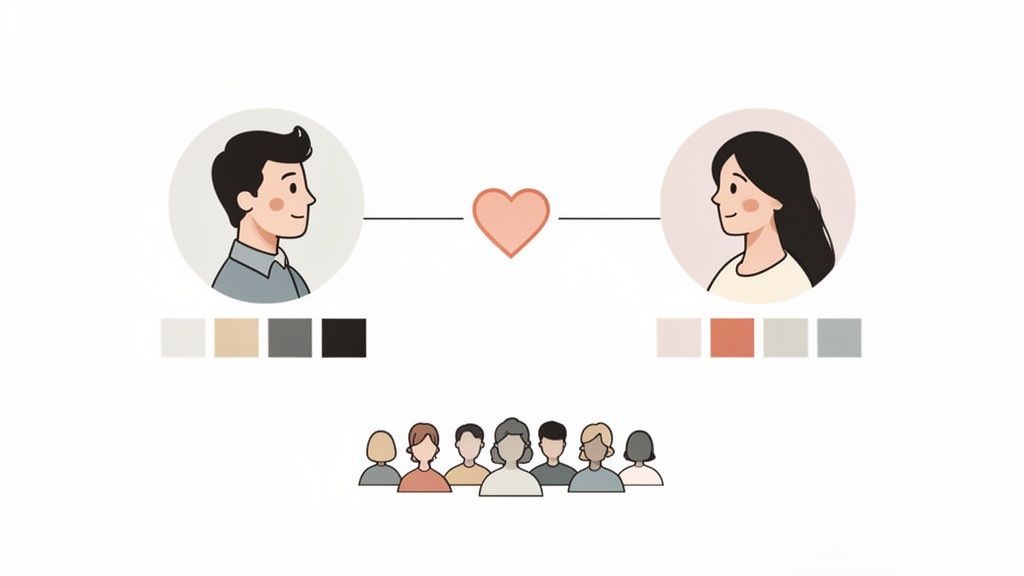
When an influencer genuinely loves and uses your product, their endorsement transcends a simple advertisement. It becomes a credible recommendation from a trusted source. Consider the early success of watchmaker Daniel Wellington, who partnered with fashion micro-influencers whose minimalist style perfectly complemented the brand’s clean, classic watch designs. This strategy built an organic, aspirational brand image from the ground up.
How to Ensure True Brand Alignment
To move beyond surface-level metrics, you must perform a qualitative deep dive into a potential partner's content and community.
- Analyze Their Content History: Scrutinize the last 3-6 months of their posts. Do their visuals, tone, and messaging align with your brand's identity? Look for consistency and authenticity in how they present themselves and other brands.
- Audit Audience Sentiment: Don't just look at engagement rates; read the comments. A highly engaged community that trusts the creator's recommendations is far more valuable than a passive, large following.
- Evaluate Their Link-in-Bio: For brands valuing curated aesthetics, an influencer’s link-in-bio page is a telling indicator of their personal brand. For instance, creators who use a visually driven tool like Taap.bio often demonstrate a strong sense of design and curation, making them ideal partners for design-conscious brands.
- Prioritize Community Over Clout: A creator with 10,000 deeply engaged followers who align perfectly with your niche will almost always outperform a celebrity with 1 million disconnected ones. This focus on authentic community relationships is a critical component of modern influencer marketing best practices.
2. Leverage Micro and Nano-Influencers for Authentic Engagement
While mega-influencers offer massive reach, one of the most effective influencer marketing best practices is to focus on smaller, highly engaged communities. Micro-influencers (10K-100K followers) and nano-influencers (1K-10K followers) deliver authentic connections and significantly higher engagement rates. Their endorsements feel less like paid ads and more like genuine recommendations from a trusted friend, building deep brand advocacy from the ground up.

This strategy is particularly powerful for niche markets and emerging brands. Consider a sustainable fashion brand partnering with ethical lifestyle micro-influencers or a local gym collaborating with fitness trainers who have 15,000 dedicated followers. These partnerships are not only more cost-effective but also tap into loyal, niche audiences that are primed to convert. The brand Glossier famously built its empire by championing this approach, turning everyday customers and micro-influencers into its most powerful brand advocates.
How to Activate Micro and Nano-Influencers
Successfully engaging this tier of creators requires a more personal and collaborative approach than simply transactional partnerships.
- Build a Curated Database: Use platforms like AspireIQ or HypeAudience to identify potential partners in your niche, but follow up with manual vetting to ensure their values and audience align with your brand.
- Engage Before You Pitch: Interact with their content authentically for a few weeks before reaching out. A personalized, well-informed pitch is far more likely to receive a positive response.
- Offer Creative Freedom: Instead of a rigid script, provide a flexible brief that outlines key messages but allows the creator's unique voice and style to shine through. This fosters more genuine content.
- Think Long-Term: Prioritize building ongoing ambassador programs over one-off sponsored posts. This develops deeper loyalty and more consistent brand messaging. For creators in design or freelance, encouraging them to feature your product in a portfolio they display on a visually appealing link-in-bio tool like Taap.bio can provide lasting social proof.
3. Create Authentic, Non-Salesy Content Partnerships
Today's audiences are highly attuned to inauthentic advertising, and a scripted, overtly promotional post can do more harm than good. The most effective influencer marketing best practices involve co-creating content that seamlessly integrates your product into the influencer's natural narrative. This approach moves beyond a simple ad read, transforming the partnership into a genuine story that builds trust and credibility.
When an influencer shares how your brand solves a real problem or enhances their life, the message becomes powerful social proof. Think of how Apple partners with creators to showcase their products as essential tools within a creative workflow, or how Airbnb influencers share compelling travel stories enabled by their stays. The product isn't the star; the experience is. This is the gold standard for turning a sponsored post into a trusted recommendation.
How to Foster Authentic Content Creation
Empowering creators with trust and creative freedom is key. Instead of a rigid script, provide them with a flexible framework built around your brand's core values.
- Focus on Story, Not Talking Points: Brief influencers on your brand's mission, values, and the problem you solve. Let them translate that story into their own unique voice and content style.
- Encourage Real-World Integration: Ask creators to show how your product fits into their daily routine, a "before and after" transformation, or their professional workflow. This provides tangible value to their audience.
- Showcase the "How-To": For tools and platforms, integration stories are particularly effective. For example, a creator could develop a case study showing how they used a customizable link-in-bio page from Taap.bio to elevate their personal brand and centralize their content hubs.
- Provide Creative Freedom: Granting influencers the autonomy to produce content they know their audience will love is a critical best practice. Their expertise in what resonates with their community is an invaluable asset to your campaign.
4. Prioritize Long-Term Partnerships Over One-Off Campaigns
While one-off campaigns can provide a quick boost, one of the most impactful influencer marketing best practices is shifting to a long-term ambassador model. Building sustained relationships with a select group of creators generates compound benefits that a single sponsored post can never achieve. This approach moves an influencer from a hired promoter to a genuine brand advocate, fostering deep product knowledge and authentic enthusiasm that audiences can feel.
This strategy thrives on consistency. When an audience sees a creator they trust repeatedly using and endorsing a brand over months or even years, the partnership becomes part of the creator’s authentic story. Think of GoPro’s long-standing relationships with athletes and creators; their content feels less like an ad and more like a natural extension of their adventurous lifestyle, which is inextricably linked with the brand. This repeated exposure builds incredible trust and brand recall.
How to Build a Successful Ambassador Program
Transitioning from short-term collaborations to long-term partnerships requires a strategic framework built on mutual value and clear communication.
- Establish Long-Term Agreements: Move beyond single-post contracts. Offer 6-12 month agreements with a clear scope of work, including a mix of deliverables like posts, stories, and videos. This gives the partnership room to grow and evolve.
- Create Tiered Programs: Motivate creators by building a tiered ambassador program (e.g., Bronze, Silver, Gold). Higher tiers can unlock better commission rates, exclusive event invitations, or early access to new products, creating an incentive for top performance.
- Provide Insider Access: Treat your ambassadors like an extension of your team. Give them previews of upcoming products and a direct line for feedback. This not only makes them feel valued but also equips them to create more knowledgeable and compelling content.
- Leverage Their Link-in-Bio: Encourage ambassadors to feature your brand prominently in their link-in-bio. A creator can use a tool like Taap.bio to add a dedicated button for an exclusive discount code or a widget showcasing your latest products, turning their profile into a consistent conversion driver for your partnership. This transforms their social bio into a powerful, always-on marketing channel.
5. Measure ROI Through Authentic Metrics Beyond Vanity Numbers
The true success of an influencer campaign isn't measured in likes or follower counts; it's measured in tangible business outcomes. Shifting focus from vanity metrics to authentic, performance-based key performance indicators (KPIs) is a critical influencer marketing best practice. This data-driven approach allows you to prove campaign value, justify your budget, and strategically optimize future collaborations for maximum impact.
Effective measurement connects influencer activity directly to your bottom line. Fashion Nova famously perfected this by providing each influencer with a unique discount code, allowing them to precisely track sales and attribute revenue to specific partners. Similarly, B2B brands like HubSpot analyze not just clicks, but the quality of engagement and sentiment within comment sections to gauge content performance and audience reception. This granular analysis reveals which creators and content formats genuinely drive results.
How to Track Meaningful ROI
To implement this data-first strategy, you must build a robust tracking framework before your campaign even launches. This ensures every piece of content has a clear path to measurement.
- Implement Unique Tracking Links: Assign a unique, UTM-tagged URL to each influencer. This allows you to track clicks, on-site behavior, and conversions directly within your analytics platform, providing clear attribution for every referral.
- Utilize Influencer-Specific Promo Codes: Create distinct discount codes for each partner. This is one of the simplest and most effective ways to track direct sales and calculate cost-per-acquisition (CPA) for individual influencers.
- Go Beyond Likes: Analyze deeper engagement metrics like shares, saves, and detailed comments. These actions indicate a much higher level of audience interest and intent than a passive "like."
- Leverage Link-in-Bio Analytics: When influencers direct traffic from their profiles, the data from their link-in-bio tool is invaluable. For example, you can see precisely how many clicks your brand's link receives on an influencer's page. Understanding how to measure your Taap.bio link performance provides direct insight into how effectively they drive traffic from their social hub to your desired destination.
- Conduct Sentiment Analysis: Manually or with software, review the comments on sponsored posts. Are they positive, inquisitive, and authentic? High positive sentiment is a strong indicator of brand lift and successful audience persuasion.
6. Implement Transparent Disclosure and FTC Compliance
Beyond strategy and creativity, one of the most critical influencer marketing best practices is operating with unimpeachable ethics and legality. Transparent disclosure isn't just a recommendation; it's a legal requirement mandated by the Federal Trade Commission (FTC). Clearly identifying sponsored content with tags like #ad or #sponsored is non-negotiable for building and maintaining audience trust.
This transparency protects your brand legally and fortifies the influencer's credibility. When followers know a post is a paid partnership, it reinforces authenticity rather than diminishing it. Concealing the nature of the relationship erodes consumer trust and can lead to severe FTC penalties for both the brand and the creator. Glossier, for example, maintains its community-first reputation by ensuring all sponsored posts are clearly and consistently marked, making disclosure a seamless part of their aesthetic.
How to Ensure Full Compliance and Transparency
Integrating disclosure into your workflow from the beginning protects all parties and strengthens the partnership's integrity. It should be a standardized, mandatory step in every campaign.
- Provide Written Guidelines: Don't leave disclosure to chance. Your contract and creative brief must explicitly state how, where, and when the influencer must disclose the partnership. Specify the exact hashtags to be used.
- Utilize Platform Tools: Leverage built-in features like Instagram's "Paid Partnership" label. This tool automatically adds a clear "Paid partnership with [Your Brand]" disclaimer to the top of posts and stories, ensuring prominent and standardized disclosure.
- Prioritize Placement: Disclosures must be clear and conspicuous. This means placing them at the beginning of a caption, not buried at the end of a long list of hashtags or hidden in the comments. The FTC requires disclosure to be easily visible before a user has to click "more."
- Document Everything: Maintain meticulous records of all partnership agreements, communications regarding disclosure requirements, and screenshots of the final published posts with their disclosures. This documentation is vital in the event of an audit.
- Extend Transparency to Your Link-in-Bio: For campaigns directing traffic to a central hub, clarity is key. Influencers using a tool like Taap.bio can add a text block or button label like "Shop my [Brand] Favorites (Ad)" to ensure transparency extends to every click.
7. Optimize Visual Consistency and Brand Aesthetics in Partnership Content
One of the most critical influencer marketing best practices is achieving a delicate balance between your brand's established visual identity and an influencer’s unique creative style. The goal is for sponsored content to feel native to the creator's feed while still being instantly recognizable as part of your brand’s universe. This aesthetic cohesion strengthens brand recall and reinforces your identity without making the content feel like a jarring advertisement.
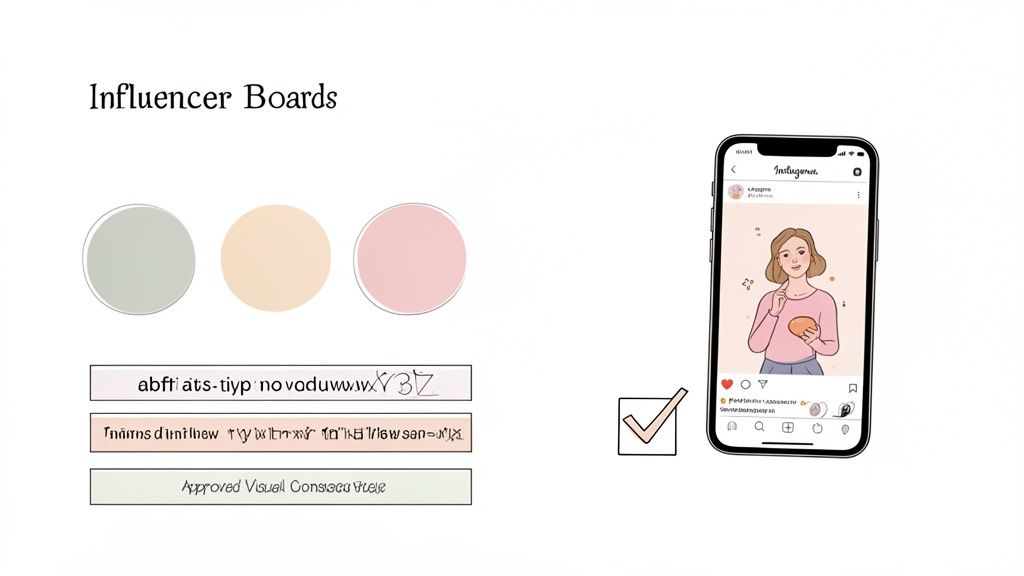
This synergy is what separates disjointed campaigns from seamlessly integrated ones. Consider how beauty brand Glossier masterfully maintains its signature "millennial pink" and dewy, minimalist aesthetic across hundreds of influencer collaborations. Similarly, Patagonia partners with creators whose rugged, authentic outdoor photography naturally aligns with their brand ethos. This approach ensures that every piece of content, regardless of who creates it, contributes to a single, powerful brand story.
How to Maintain Aesthetic Cohesion
Achieving this consistency requires clear communication and providing the right creative tools, not rigid creative control.
- Create a Visual Briefing Kit: Go beyond a simple text brief. Develop a concise visual guide that includes your core color palette (with hex codes), font usage, logo placement rules, and examples of on-brand imagery.
- Share Mood Boards and Presets: Provide influencers with a mood board that captures the desired feeling and tone. Suggesting specific photo editing apps or sharing a custom preset can help them achieve your desired look effortlessly.
- Encourage Draft Reviews: Build a preliminary content review step into your workflow. This allows you to provide constructive feedback on visuals early in the process, preventing the need for major revisions later.
- Leverage Link-in-Bio Aesthetics: Visual consistency should extend to all touchpoints. When creators use a visually customizable tool like Taap.bio, they can align their link-in-bio page with your campaign's aesthetic using branded colors, fonts, and layouts, creating a seamless user journey from social post to landing page.
8. Leverage Multiple Content Formats and Platforms Strategically
Relying on a single content format, like a static Instagram post, is a missed opportunity in today's fragmented digital landscape. The most effective influencer marketing best practices involve a multi-platform, multi-format strategy. This means diversifying your campaign across Reels, TikTok videos, long-form YouTube content, ephemeral Stories, and even newsletters or podcast mentions. Each format and platform captures a unique segment of an influencer’s audience and offers different engagement dynamics.
This omnichannel approach maximizes reach and reinforces your brand message through varied touchpoints. For example, a campaign might start with a high-energy TikTok video to drive awareness, followed by an in-depth YouTube review to build consideration and trust, and then use Instagram Stories with interactive polls to create urgency. This strategic layering ensures your campaign is not just seen but experienced across the customer journey.
How to Implement a Multi-Format Strategy
A successful multi-platform campaign requires more than just cross-posting the same asset. It demands a thoughtful, platform-specific approach.
- Develop Platform-Native Variations: Instead of simply repurposing a TikTok video for Instagram Reels, adapt the content to fit the platform’s nuances. This could mean changing the music, adding a different trending audio, or tweaking the call to action to feel more organic to each environment.
- Prioritize Short-Form Video: With algorithms on platforms like Instagram and YouTube heavily favoring short-form video, dedicating a significant portion of your budget to Reels, TikToks, and Shorts is crucial for discoverability and broad reach.
- Invest in Long-Form for Depth: Use platforms like YouTube for tutorials, detailed reviews, or vlogs. This long-form content is invaluable for educating audiences, building deep trust, and driving high-intent traffic for considered purchases.
- Unify the Experience with a Central Hub: A multi-platform campaign can feel disjointed without a central destination. Use an influencer's link-in-bio page, like one created with Taap.bio, to aggregate all content pieces. A creator can embed their latest YouTube video, showcase a TikTok feed, and link to their podcast all in one visually cohesive landing page, creating a seamless experience for their followers.
9. Build Community and Enable Two-Way Engagement
Effective influencer marketing transcends one-way broadcasting and evolves into a conversation. The most impactful partnerships don't just push a message to an audience; they create a space for genuine interaction between the brand, the creator, and the community. This approach transforms passive viewers into active participants and, ultimately, dedicated brand advocates.
When you empower an influencer to build a community around your brand, the campaign’s value multiplies. Instead of a temporary spike in attention, you cultivate a sustainable ecosystem of engagement. Consider how beauty brand Glossier built an empire by listening to and featuring its community, making customers feel like co-creators. This community-centric model fosters loyalty that outlasts any single campaign.
How to Foster Two-Way Communication
Actively encouraging dialogue and participation is key. This transforms your campaign from a monologue into a valuable, ongoing conversation.
- Establish Interaction Protocols: Work with your influencer to set expectations for engaging with comments on sponsored posts. A brand that actively responds to questions in the comments section demonstrates it is listening and values customer input.
- Launch User-Generated Content (UGC) Campaigns: Create a unique hashtag and encourage followers to share their own experiences with your product. Featuring the best UGC on your brand’s official channels provides social proof and rewards community participation.
- Host Live Q&A Sessions: Co-host live sessions on platforms like Instagram or TikTok where the influencer and a brand representative can answer audience questions in real time. This adds a layer of transparency and direct access that builds significant trust.
- Centralize Community Access: Your influencer’s link-in-bio is a prime location to direct followers to community hubs. Using a tool like Taap.bio, you can embed direct links to a Discord server, a private Facebook Group, or an email newsletter signup form, making it frictionless for engaged followers to deepen their connection with your brand.
10. Continuously Test, Analyze, and Optimize Campaign Elements
The most successful influencer marketing programs are not built on one-off wins but on a foundation of continuous learning and adaptation. Treating your campaigns as static, set-and-forget initiatives is a missed opportunity. Instead, adopt a growth marketing mindset by consistently testing, analyzing, and optimizing every component of your strategy to unlock incremental gains and long-term success. This data-driven approach transforms guesswork into a predictable system for ROI.
This experimental mindset separates stagnant campaigns from thriving, scalable programs. For instance, a fashion brand might test Reels versus static posts for a new product launch, while a SaaS company could A/B test different call-to-action messaging (“Sign Up Free” vs. “Start Your Trial”) across influencers with similar audiences. The goal is to isolate variables and identify what truly resonates, allowing you to refine your approach and improve performance with each new campaign.
How to Implement a Test-and-Learn Framework
An optimization-focused strategy requires discipline and a clear process. By systematically testing variables, you can build a library of insights unique to your brand.
- Isolate and Test One Variable: To get clean, actionable data, change only one element at a time. You could test different discount codes, creative formats (e.g., unboxing vs. tutorial), posting times, or even the call-to-action in an influencer’s bio.
- Establish Baseline Metrics: Before launching a test, you must know your current performance benchmarks. This provides the context needed to determine whether a change resulted in a statistically significant improvement.
- Optimize the Conversion Funnel: A key area for testing is the post-click experience. For example, you can have two influencers direct their followers to two different versions of a link-in-bio page. By creating variations in Taap.bio, you can test different widget layouts, button colors, and content arrangements to see which one converts more effectively.
- Document and Share Learnings: Maintain a central repository of all your tests, hypotheses, results, and conclusions. Sharing these findings with your influencer partners not only helps them improve but also strengthens the collaborative relationship, making this one of the most impactful influencer marketing best practices for sustained growth.
10-Point Comparison of Influencer Marketing Best Practices
| Strategy | Complexity 🔄 | Resources ⚡ | Expected Outcomes 📊 | Ideal Use Cases 💡 | Key Advantages ⭐ |
|---|---|---|---|---|---|
| Select Influencers Aligned with Your Brand Values and Audience | 🔄 High — thorough vetting and audience matching | ⚡ Moderate — discovery tools + manual review | 📊 High authenticity and engagement; improved relevance | 💡 Niche positioning; brand-sensitive launches | ⭐ Strong fit, trust, reduced misalignment risk |
| Leverage Micro and Nano-Influencers for Authentic Engagement | 🔄 Moderate — coordinate multiple creators | ⚡ Low–Moderate — lower fees, higher management needs | 📊 High engagement rates; modest per-creator reach | 💡 Startups, cost-conscious campaigns, local markets | ⭐ Cost-effective ROI and genuine advocacy |
| Create Authentic, Non-Salesy Content Partnerships | 🔄 Moderate — requires creative trust and guidance | ⚡ Moderate — time for collaboration and production | 📊 Better audience acceptance; evergreen storytelling | 💡 Lifestyle brands; product-in-context narratives | ⭐ Higher trust and shareable, organic content |
| Prioritize Long-Term Partnerships Over One-Off Campaigns | 🔄 Moderate–High — contract and relationship upkeep | ⚡ Higher upfront; ongoing coordination | 📊 Compounding advocacy; lower long-term cost per asset | 💡 Ambassador programs; sustained brand building | ⭐ Stronger loyalty and improving content quality |
| Measure ROI Through Authentic Metrics Beyond Vanity Numbers | 🔄 High — attribution and analytics setup | ⚡ Moderate–High — tracking tools and analyst time | 📊 Clear ROI insights; optimized budget allocation | 💡 Data-driven campaigns; stakeholder reporting | ⭐ Actionable optimization; identifies top performers |
| Implement Transparent Disclosure and FTC Compliance | 🔄 Low–Moderate — standardize guidelines and audits | ⚡ Low — education + monitoring overhead | 📊 Legal protection and preserved audience trust | 💡 Any paid influencer activity; regulated industries | ⭐ Reduces legal/reputational risk; ethical clarity |
| Optimize Visual Consistency and Brand Aesthetics in Partnership Content | 🔄 Moderate — creative briefs and approvals | ⚡ Moderate — mood boards, assets, reviews | 📊 Stronger brand recognition and cohesive presence | 💡 Visual-first brands; Taap.bio profiles and portfolios | ⭐ Elevated perceived value and consistent branding |
| Leverage Multiple Content Formats and Platforms Strategically | 🔄 High — platform-specific planning and repurposing | ⚡ High — production, editing, and distribution | 📊 Broader reach and diversified engagement channels | 💡 Omnichannel launches; audience diversification | ⭐ Maximized reach and reduced single-platform risk |
| Build Community and Enable Two-Way Engagement | 🔄 High — continuous moderation and facilitation | ⚡ High — community managers, tools, incentives | 📊 Deeper loyalty, UGC growth, and word-of-mouth | 💡 Retention-focused brands; advocacy programs | ⭐ Strong loyalty and rich user feedback |
| Continuously Test, Analyze, and Optimize Campaign Elements | 🔄 High — A/B frameworks and iterative cycles | ⚡ Moderate–High — analytics tools and experiment time | 📊 Incremental performance gains; better budget efficiency | 💡 Growth-led programs; scalable influencer strategies | ⭐ Continuous improvement and measurable wins |
From Clicks to Community: The Future of Influencer Marketing
We've explored the ten pillars of modern, effective influencer marketing, moving far beyond the outdated model of simply paying for posts. The landscape has matured, and success is no longer measured by follower counts or fleeting viral moments. Instead, it’s built on a foundation of genuine connection, strategic alignment, and a relentless commitment to data-driven improvement. These influencer marketing best practices are not just a checklist; they represent a fundamental shift in mindset from transactional exchanges to transformational partnerships.
The journey begins with meticulous selection, prioritizing creators whose values mirror your own and whose communities trust them implicitly. By embracing micro and nano-influencers, you tap into unparalleled authenticity and niche engagement that larger accounts often cannot replicate. This foundation allows you to co-create content that feels less like an advertisement and more like a trusted recommendation, a critical distinction in a world saturated with sponsored posts. Remember, the goal is to integrate your brand into the creator's narrative, not to interrupt it.
The Power of Lasting Partnerships and Authentic Metrics
One of the most crucial takeaways is the immense value of nurturing long-term relationships. One-off campaigns can create temporary spikes, but sustained partnerships build brand advocacy and a cumulative, compounding impact over time. This long-term view also enables you to move beyond superficial vanity metrics like likes and views.
True success lies in tracking authentic engagement, conversion rates, and audience sentiment. This is how you prove ROI and understand the real-world impact of your efforts. Alongside this, unwavering adherence to transparency and FTC guidelines is non-negotiable. It protects your brand, respects the creator, and, most importantly, honors the trust of the audience you’re trying to reach.
Key Insight: The most successful influencer campaigns are those where the brand empowers the creator, rather than dictating to them. They are collaborative efforts built on mutual respect, shared goals, and a deep understanding of the audience's needs and desires.
Actionable Steps to Elevate Your Strategy
So, where do you go from here? The path forward is clear. It’s about building a dynamic, responsive program that thrives on continuous optimization.
- Audit Your Current Approach: Review your existing or past partnerships against the practices we've discussed. Where are the gaps? Are you prioritizing authenticity and long-term value?
- Refine Your Measurement Framework: Ditch the vanity metrics and define what success truly looks like for your brand. Set up clear tracking for conversions, lead generation, and brand lift.
- Empower Your Creators with Better Tools: The user journey doesn't end with a click. Provide your partners with a centralized hub where their audience can explore, engage, and convert. This is where a sophisticated link-in-bio tool becomes a campaign's central nervous system.
By implementing these influencer marketing best practices, you're not just running campaigns; you're building a powerful, scalable engine for brand growth. You are investing in relationships that yield dividends in community, trust, and ultimately, revenue. The future of this industry belongs to those who see influencers not as billboards, but as strategic partners in building a brand that people genuinely love and connect with.
Ready to centralize your campaign links and supercharge your conversion tracking? Empower your influencer partners with a beautiful, powerful hub for all their content using taap.bio. Visit taap.bio to create a stunning, analytics-rich landing page in minutes and take the first step towards a more measurable and effective influencer marketing program.


